Featured Articles
OEM vs Aftermarket Lazyboy Parts: Which Is Better?
If your Lazyboy recliner, loveseat, sofa, or sectional needs repair, one of the biggest decisions you will face is whether to buy OEM parts or aftermarket parts. At first glance, the difference may seem simple. One is made for the brand, and the other is a replacement made by a third party. But once you start shopping for handles, cables, springs, motors, switches, transformers, brackets, or recliner mechanisms, the decision becomes more important.
The wrong part can waste money, create fit problems, shorten the life of the repair, or even make the furniture less safe to use. The right part can restore comfort, extend the life of your recliner, and save you from replacing the entire chair.
This guide explains what OEM and aftermarket Lazyboy parts are, how they differ, which one is usually better for specific repairs, and how to decide what makes the most sense for your budget, furniture model, and repair goals.
What OEM Lazyboy Parts Mean
OEM stands for original equipment manufacturer. In simple terms, OEM parts are original-style parts made for the furniture brand or made to the same specifications as the parts that came with the chair when it was new.
When people shop for OEM Lazyboy parts, they usually want the closest possible match to the original component in terms of size, fit, materials, mounting points, and function. This is especially important for model-specific repairs where exact compatibility matters.
OEM parts are often preferred when the furniture is still under warranty, when the repair is structural or electrical, or when the owner wants to preserve the original performance and feel of the chair.
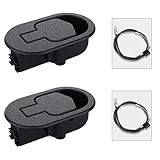
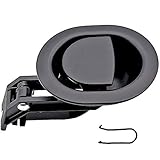
Baridwon 2 Set Recliner Replacement Parts, Durable Recliner Release Pull Handle with Recliner Pull Cable, Repair Replacement Parts Compatible with Most Furniture of Recliner Chair Sofa Couch
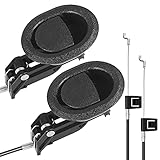
Baridwon Recliner Lever Parts, Handle with Exposed Cable 4.75in, 2 Sets | Recliner mechanism repair kit: release pull handle and cable for sofa, couch, chair; compatible with most furniture

Nonley Recliner Pull Handle - Universal Replacement Parts for Most Major Recliner Couch Sofa Chair Furniture
What Aftermarket Lazyboy Parts Mean
Aftermarket parts are replacement parts made by third-party manufacturers rather than the original furniture brand. These parts are often designed to fit multiple recliner brands or a wide range of recliner models.
In many cases, aftermarket parts are described as universal, heavy-duty, compatible, or replacement-style components. Some are very good. Some are only acceptable for simple repairs. Others may not fit properly at all.
That is why the category is broad. Aftermarket does not automatically mean bad, and OEM does not automatically mean perfect for every situation. The better choice depends on the part you need and how exact the repair must be.
The Main Difference Between OEM and Aftermarket Recliner Parts
The biggest difference is precision.
OEM parts are usually chosen because they are intended to match the original furniture more closely. Aftermarket parts are usually chosen because they are easier to find, cheaper, or available in universal sizes.
The tradeoff usually comes down to these factors:
- Exact fit
- Price
- Availability
- Durability
- Ease of installation
- Risk of compatibility issues
If the part is simple and fairly standardized, aftermarket can work very well. If the part is model-specific, hidden inside the mechanism, or tied to safety and electrical function, OEM often has the advantage.
When OEM Lazyboy Parts Are Usually Better
There are situations where OEM parts are clearly the safer and smarter option.
1. When exact fit matters
Some recliner parts need to line up precisely with brackets, bolt holes, cable lengths, lever positions, or motor connectors. If the part is even slightly off, the recliner may not open properly, close correctly, or feel right during use.
This is especially true for model-specific recliner mechanisms, brackets, and powered components.
2. When the recliner is still under warranty
If your chair is still covered under a store or manufacturer warranty, using a non-original part may complicate future service. In that situation, sticking to OEM-style replacement parts is usually the safer decision.
3. When the repair involves power components
Motors, transformers, control boxes, power switches, and electrical connectors are areas where compatibility matters more. Even if an aftermarket part looks similar, connector type, voltage, mounting layout, or wiring may differ.
If you are troubleshooting powered components, it can still help to browse comparable products like a recliner power supply transformer or a recliner power switch so you understand the different styles and connector types before buying.
4. When comfort and original feel matter
Some parts affect more than simple function. They affect how the recliner feels during everyday use. An OEM-style tension spring, release assembly, or mechanism may preserve the original motion and support more accurately than a generic substitute.
When Aftermarket Lazyboy Parts Can Be a Good Choice
Aftermarket parts can be a very practical option in the right situations.
1. When the part is simple and standardized
Some recliner parts are common across many brands. This includes many release handles, cables, springs, and some switches. In these cases, a properly measured aftermarket replacement can work just as well as the original.
For example, many people successfully repair a broken handle or snapped release cable using a recliner handle replacement or a recliner replacement cable without needing an exact brand-specific part.
2. When OEM parts are hard to find
Older recliners often become difficult to repair because exact original parts may be discontinued, backordered, or unavailable locally. In that case, a high-quality aftermarket replacement may be the only realistic option.
3. When budget matters
Aftermarket parts are often less expensive than OEM parts. If the chair is older and you simply want to restore usable function without spending too much, aftermarket can make good financial sense.
4. When you want a heavy-duty replacement
Some aftermarket manufacturers advertise stronger materials, reinforced metal components, or universal heavy-duty construction. While quality varies, some aftermarket parts are actually more robust than the original part they replace.
Baridwon 2 Set Recliner Replacement Parts, Durable Recliner Release Pull Handle with Recliner Pull Cable, Repair Replacement Parts Compatible with Most Furniture of Recliner Chair Sofa Couch

ttmagic Metal Recliner Handle Replacement Parts with Cable, Universal Recliner Sofa Chair Couch Release Lever Pull Handle, Fits Ashley and Major Recliner Brands, Exposed Cable Length 4.9“
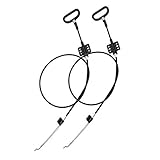
2 Pieces Recliner Release Cable Replacement D-Ring Pull Handle, Exposed Length 4.75" with S Tip
OEM vs Aftermarket Lazyboy Parts: Side-by-Side Comparison
| Factor | OEM Parts | Aftermarket Parts |
|---|---|---|
| Fit | Usually closer to exact original fit | Can vary from exact to universal |
| Price | Usually higher | Usually lower |
| Availability | Can be limited for older models | Often easier to find online |
| Installation | Often easier if truly model-matched | May require measuring and adjustment |
| Durability | Often dependable and consistent | Ranges from poor to excellent |
| Electrical compatibility | Usually safer for powered furniture | Needs careful checking |
| Best use case | Complex, model-specific, or warranty repairs | Simple, common, or budget-friendly repairs |
Which Lazyboy Parts Are Usually Safe to Buy Aftermarket?
In many cases, the following parts are commonly available in aftermarket form and can work well if the measurements and connector styles match:
- Release handles
- Release cables
- Tension springs
- Some universal power switches
- Some transformer or adapter replacements with matching specs
- Plastic hand controls for certain standard motion systems
That does not mean every universal part will fit every chair. It means these categories are more likely to have workable replacements compared to highly model-specific structural hardware.
If you are comparing repair items, it may help to look at recliner spring replacement options or a recliner remote hand control to see how much variation exists between connector styles and button layouts.
Which Lazyboy Parts Are Better to Buy OEM?
These parts are usually better sourced as OEM or as near-OEM replacements whenever possible:
- Complete recliner mechanisms
- Metal brackets with exact bolt patterns
- Model-specific seat or back locking hardware
- Power components with uncommon connectors
- Parts tied to lift systems or advanced motion features
- Components needed for warranty-covered repairs
If the wrong part could affect safety, alignment, stability, or electrical performance, OEM usually gives you a better margin of confidence.
How to Decide Which One Is Better for Your Repair
The easiest way to make the right choice is to ask a few practical questions.
Is the part simple or complex?
A simple handle or cable often has more replacement flexibility. A complex mechanism or powered component usually needs tighter compatibility.
Do you have the exact model information?
The more model details you have, the easier it is to compare OEM and aftermarket choices accurately. Your recliner’s identification tag can help you find the correct replacement dimensions or part style.
How old is the furniture?
If the chair is older and already out of warranty, aftermarket may make more sense financially. If it is newer or still premium in value, OEM may be worth the extra cost.
Are you repairing for long-term use or short-term function?
If you want the chair to feel as close as possible to original condition, OEM is often worth considering. If you just need to get the chair working again affordably, aftermarket can be a smart choice.
How to Avoid Buying the Wrong Replacement Part
Whether you choose OEM or aftermarket, the biggest mistake is buying based on appearance alone.
Before ordering, always check:
- Part length and width
- Connector type
- Bolt hole spacing
- Cable exposed length
- Voltage and amperage for powered parts
- Left-side vs right-side installation
- Manual vs power compatibility
Using a tape measure and taking close-up photos of the old part before removal can prevent a lot of frustration.
What About Quality? Are Aftermarket Parts Less Durable?
Not always. This depends entirely on the specific manufacturer and part type.
Some aftermarket parts are cheaply made and intended only as low-cost temporary replacements. Others are well-made, reinforced, and perform very well. The problem is that quality varies more in the aftermarket world than it usually does with OEM-style parts.
That is why reviews, measurements, materials, and photos matter. If an aftermarket part has strong fit feedback, solid metal construction, and dimensions that match your original part, it may work perfectly well.
If you are comparing basic repair items, browsing categories like heavy duty recliner handle can help you spot whether sellers are offering upgraded materials or just generic low-cost substitutes.
Are OEM Parts Always Worth the Extra Cost?
Not always.
If you are replacing a simple release handle on an older chair, paying a premium for OEM may not be necessary. But if you are replacing a motor, mechanism, lift component, or anything tied to exact fit and performance, the extra cost may be worth it.
The real question is not whether OEM is always better. The real question is whether the specific repair benefits from exact compatibility more than it benefits from lower cost.
Best Strategy for Most Lazyboy Owners
For many repairs, the smartest approach is mixed rather than all-or-nothing.
Use OEM or near-OEM parts for:
- Power systems
- Major structural hardware
- Lift chair components
- Anything with difficult alignment
Use high-quality aftermarket parts for:
- Handles
- Cables
- Springs
- Simple external replacement items
That balance often gives you the best mix of cost savings, availability, and repair success.

2 Button 5 Pin Power Recliner Round Hand Control with USB Type A C Port | Backlight, Electric Sofa Lift Chair Hand Controller Replacement
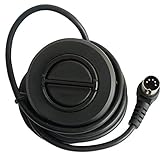
Fromann Recliner Switching 2 Button 5 Pin Round Hand Control Handset | Electric Handset Control Replacement, Fixed for Power Sofa Lift Chair
When You Should Skip the Repair Entirely
Sometimes the question is not OEM versus aftermarket. Sometimes the real question is whether the chair is worth repairing at all.
You may want to reconsider the repair if:
- Multiple major parts have failed at the same time
- The frame is cracked or unstable
- The upholstery, padding, and mechanism are all heavily worn
- The cost of correct parts is approaching replacement value
In that case, putting money into even the right part may not be the best long-term decision.
Final Verdict: OEM vs Aftermarket Lazyboy Parts
So, which is better?
OEM Lazyboy parts are usually better when you need exact fit, original performance, power compatibility, warranty-safe repairs, or model-specific hardware. Aftermarket Lazyboy parts are often better when the repair is simple, the part is standardized, the original part is hard to find, or you want a more affordable solution.
For many owners, aftermarket is perfectly fine for common repairs like handles, cables, and some springs. For structural, electrical, or high-precision repairs, OEM is usually the safer choice.
The best decision comes down to the part itself, not just the label. Measure carefully, compare connector styles, check your chair model, and think about whether the repair needs exact compatibility or just reliable function.
If you are starting your search, compare options like a recliner handle replacement, a recliner replacement cable, a recliner spring replacement, or a recliner power switch and match the measurements and specs as closely as possible.
Lazyboy Recliner Size Chart – Dimensions Guide
If you are shopping for a Lazyboy recliner, one of the most important things to understand is size. A recliner may look perfect in photos, but if it is too wide for your room, too deep for your space, or too tall or too shallow for your body, it can quickly become an expensive mistake. That is why a Lazyboy recliner size chart matters.
A good recliner should fit both your body and your room. It should feel supportive when sitting upright, comfortable when reclining, and practical when placed in your living room, bedroom, office, home theater, or reading corner. The right size is not just about whether you can sit in it. It is about whether you can use it comfortably every day without crowding your layout or compromising traffic flow.
This detailed guide explains how recliner dimensions work, what measurements matter most, how to estimate the right fit for your height and room size, and what to check before buying. It also includes helpful product links, sizing tips, and a mobile app that can help you compare recliner sizes more easily.
Why Recliner Size Matters So Much
People often focus on color, fabric, price, and features before thinking about dimensions. But size affects almost everything about the way a recliner performs.
If a recliner is too small, it may not support your back, shoulders, thighs, or legs properly. If it is too large, your feet may not rest naturally, your head may miss the headrest position, and the chair may dominate the room. Even if the chair itself feels comfortable, the full recline clearance may become a problem if it sits too close to a wall, coffee table, media unit, or nearby seating.
That is why understanding recliner dimensions before buying is one of the smartest things you can do.
What a Lazyboy Recliner Size Chart Usually Includes
A recliner size chart typically includes the most important dimensions you need to compare chairs properly. While exact numbers vary by model, most recliner sizing guides focus on these measurements:
- Overall width
- Overall depth
- Overall height
- Seat width
- Seat depth
- Seat height
- Fully reclined length
- Distance needed from the wall
- Recommended user height range
These numbers help answer two main questions. First, will the recliner fit you comfortably? Second, will the recliner fit your room and still function correctly when opened?
The Most Important Recliner Dimensions Explained
Overall width
This is the full width of the recliner from outer arm to outer arm. It is one of the first numbers to check if you are placing the chair in a small room, apartment, RV, office, or corner layout.
If you are comparing chairs for tighter spaces, it can help to browse small space recliner options to understand how compact recliners are typically designed.
Overall depth
This is the measurement from the front edge to the back of the chair when upright. It affects how much floor space the recliner takes up even before it is opened.
Overall height
This is the height from the floor to the top of the chair back. Taller users often need more back height and better head support, while shorter users may prefer a slightly lower overall profile if the chair still provides enough upper-body support.
Seat width
Seat width affects how roomy or snug the recliner feels. A wider seat can feel more spacious, but if it is too wide for your frame, it may not feel supportive. Seat width also matters if you like to curl up, sit cross-legged, or use a throw blanket frequently.
Seat depth
Seat depth is critical for comfort. If the seat is too deep, shorter users may struggle to rest their feet on the floor comfortably while sitting upright. If the seat is too shallow, taller users may feel under-supported through the thighs.
Seat height
Seat height affects how easy it is to get in and out of the chair. It also changes knee angle and sitting posture. This measurement becomes especially important for seniors, people with mobility issues, or anyone who prefers a chair that is easier to stand up from.
Fully reclined length
This is how much space the recliner needs when fully extended. It is essential for room planning. A recliner can fit upright but still be a poor choice if there is not enough room for it to recline properly.
Wall clearance
Some recliners need significant distance from the wall, while wall-hugger models are designed to work in tighter layouts. If you are buying for a smaller living room or apartment, this number can be the difference between a chair that works and one that becomes frustrating.
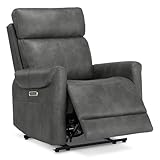
KISLOT Wall Hugger Recliner Chair, Faux Leather Power Reclining, Grey, 1PC

QicoFelix Zero Wall Power Recliner Chair,Electric Recliner for Small Spaces | With USB Port, Fabric RV Recliner, Home Theater Seating for Living Room
General Lazyboy Recliner Size Categories
While different models vary, most recliners can be grouped into general size categories. This kind of size chart is useful when you want a starting point before comparing exact models.
Small recliners
Small recliners are usually best for petite users, compact rooms, apartments, small bedrooms, and reading corners. These are often a good fit for people who want comfort without taking up too much floor space.
Typical range:
- Overall width: about 30 to 36 inches
- Overall depth: about 32 to 38 inches
- Overall height: about 38 to 41 inches
- Best for: shorter adults, smaller rooms, limited layouts
Medium recliners
Medium recliners are often the most versatile and tend to suit average-size adults and standard living rooms. They usually offer a balanced mix of support, comfort, and space efficiency.
Typical range:
- Overall width: about 36 to 40 inches
- Overall depth: about 36 to 40 inches
- Overall height: about 40 to 43 inches
- Best for: average-height users, most living rooms, general family use
Large recliners
Large recliners are designed for users who want a roomier seat, taller back, broader arms, or more substantial body support. These models need more floor space and should be measured carefully before buying.
Typical range:
- Overall width: about 40 to 48 inches or more
- Overall depth: about 38 to 44 inches
- Overall height: about 42 to 46 inches
- Best for: taller users, larger rooms, oversized comfort preferences
Extra-large or big and tall recliners
These recliners are built for maximum space and support. They often have wider seats, stronger frames, and more generous back dimensions.
Typical range:
- Overall width: about 45 inches and up
- Overall depth: about 40 inches and up
- Overall height: about 44 inches and up
- Best for: tall users, broad frames, larger dedicated seating spaces
If you want to compare styles and accessories that often go with larger chairs, browsing oversized recliner covers can also give you a better feel for how different recliner categories are sized.
Actual Lazyboy Recliner Size Chart
Below is a practical model-by-model Lazyboy recliner size chart using current dimensions from official product listings. This gives you a better real-world reference than broad small, medium, and large categories alone.
| Model | Type | Overall Width | Overall Depth | Overall Height | Seat Width | Seat Depth | Seat Height | Fully Extended |
|---|---|---|---|---|---|---|---|---|
| Pinnacle Rocking Recliner | Compact / Small-Medium | 33 in. | 38.5 in. | 41 in. | 19 in. | 21.5 in. | 18.5 in. | 66 in. |
| Brooks Rocking Recliner | Small-Medium | 35 in. | 37.5 in. | 40.5 in. | 21 in. | 19.5 in. | 19 in. | 66 in. |
| Rowan Rocking Recliner | Medium | 34 in. | 39 in. | 41 in. | 22.5 in. | 21 in. | 20 in. | 66 in. |
| Liam Rocking Recliner | Medium | 34 in. | 39 in. | 43 in. | 22 in. | 20 in. | 20 in. | 65 in. |
| Finley Rocking Recliner | Medium-Tall | 34 in. | 39 in. | 43 in. | 21.5 in. | 20.5 in. | 19.5 in. | 67 in. |
| Trouper Rocking Recliner | Medium-Large | 37 in. | 38 in. | 42 in. | 19.5 in. | 20.5 in. | 20 in. | 67 in. |
| Maverick Power Rocking Recliner | Large | 36 in. | 39 in. | 42 in. | 19 in. | 22 in. | 21 in. | 67 in. |
Important sizing note: Lazyboy dimensions can change depending on whether you choose a rocking recliner, wall recliner, manual version, or power version with added features such as headrest and lumbar support. Always compare the exact product page before ordering, especially if space is tight.
What this actual size chart tells you at a glance
- Pinnacle is one of the better options if you want a narrower recliner footprint
- Brooks is compact overall and a good fit for smaller rooms
- Rowan and Liam offer a roomier seat width without becoming oversized
- Finley gives you more back height, which can work well for taller users
- Trouper takes up more width and works better in standard or larger rooms
- Maverick is a larger-scale recliner with a taller seat height and deeper seating feel
Lazyboy Recliner Size Guide by User Height
One of the easiest ways to narrow down recliner size is to start with body height. While build, leg length, posture preference, and seat firmness all matter too, height is still a useful starting point.
Users under 5 feet 4 inches
Shorter users often do better with smaller or more compact recliners. A seat that is too deep can make it hard to sit back fully while still touching the floor comfortably. A lower seat height and shallower seat depth are often more comfortable.
Users from 5 feet 4 inches to 5 feet 10 inches
Average-height users often fit best in medium recliners. This category usually offers the most balanced seating dimensions for everyday use.
Users over 5 feet 10 inches
Taller users should pay close attention to back height, seat depth, and reclined length. A large or tall-scale recliner is often a better fit for leg support and upper-back comfort.
Users with mobility concerns
If ease of standing is a priority, seat height and cushion firmness matter even more than overall dimensions. In some cases, it may be helpful to compare lift recliner chair options for accessibility-focused features.
How to Measure Your Room for a Recliner
Before buying any recliner, measure the room where it will go. Do not rely on visual estimates. Recliners almost always look smaller in product photos than they feel in a real room.
Step 1: Measure the width of the area
Check how much wall-to-wall or furniture-to-furniture width you actually have. Make sure to account for end tables, lamps, radiators, shelves, or nearby seating.
Step 2: Measure the upright depth allowance
Check how much room the recliner can take up while closed. This matters for walkways and room flow.
Step 3: Measure the full recline space
This is where many buyers make mistakes. Leave enough room for the footrest and full back recline. A chair that fits upright may still be unusable if it hits a coffee table, TV stand, wall, or another chair once opened.
Step 4: Measure doorways and hallways too
Even if the recliner fits the room, it still needs to get through your entrance, hallway, stairwell, and interior doors. Delivery clearance matters just as much as room clearance.
A basic tape measure is enough for this job, but a digital option can be handy if you measure furniture and rooms often.
How Much Space Should You Leave Around a Recliner?
As a general rule, leave enough extra room for both function and comfort. Beyond the recliner’s listed dimensions, it helps to allow breathing space around the chair so the room does not feel cramped.
- Leave walking space beside the chair whenever possible
- Do not place the front edge too close to a coffee table
- Check side clearance if the recliner has wide arms or swivels
- Always plan for full recline, not just upright placement
If you are building a cozy setup around the chair, you may also want to compare recliner side table options that work well in tighter layouts.
Why Seat Dimensions Matter More Than Many Buyers Realize
Many people focus only on the outer dimensions of the chair, but the seat dimensions can affect daily comfort even more.
A recliner may fit perfectly in your room but still feel wrong if the seat is too high, too deep, too wide, or too narrow. For example, a tall back does not automatically mean the seat depth will work for a tall user. Likewise, a compact chair may still feel roomy if the arm design is efficient and the seat shape is supportive.
If possible, compare both the external footprint and the actual sitting area before deciding.
Wall Hugger vs Standard Recliner Dimensions
If space is limited, wall-hugger recliners deserve extra attention. These models are designed so the chair moves forward as it reclines instead of needing as much rear clearance.
A standard recliner may need a more generous gap behind it, while a wall-hugger may work in a smaller room, apartment, condo, office, or bedroom. That does not always mean the chair is smaller overall, but it does mean the room planning can be easier.
If space-saving is your priority, it may help to browse wall hugger recliner styles to compare how compact recliners are marketed and measured.
KISLOT Wall Hugger Recliner Chair, Faux Leather Power Reclining, Grey, 1PC
QicoFelix Zero Wall Power Recliner Chair,Electric Recliner for Small Spaces | With USB Port, Fabric RV Recliner, Home Theater Seating for Living Room
Manual vs Power Recliner Size Considerations
Manual recliners and power recliners can differ in more than just operation. Power models may have slightly different frame depth, motor space, or back design depending on features like headrest adjustment, lumbar support, USB ports, or lift assistance.
When comparing dimensions, pay attention to:
- Rear clearance needs
- Seat height and ease of entry
- Arm width if controls are built in
- Nearby outlet access for power models
If you are also planning around convenience features, you might want to explore power recliner with USB options to get a better sense of how feature-rich recliners are described and sized.
Best Recliner Size for Different Rooms
Living room
A medium or large recliner often works best in living rooms, depending on the overall layout. Make sure it does not block pathways or compete with the sofa visually.
Bedroom
A small or medium recliner is often a better bedroom choice, especially if floor space is shared with dressers, beds, or nightstands.
Home theater
Comfort matters most here, but width becomes critical if you want more than one recliner in a row. Cupholders, arm width, and full recline depth all matter.
Office or reading corner
Smaller recliners or wall-hugger designs often make the most sense. Pairing the chair with a recliner cover can also help keep a heavily used reading chair looking better for longer.
A Helpful App for Measuring Recliner Fit
If you want extra help comparing recliner sizes and checking whether a chair fits your room, there is a dedicated app worth looking at. Recliner Sizer & Guide on Google Play and Recliner Sizer & Guide on the App Store is designed to help users choose the right recliner based on body type, room size, and comfort preferences.
If you are deciding between several recliner sizes or trying to avoid a sizing mistake before buying, using a dedicated measurement app like this can make the process easier. It is especially helpful for people comparing room dimensions, body fit, and layout clearance at the same time.
Simple Lazyboy Recliner Size Chart Reference
Here is a general reference guide you can use as a starting point:
- Small recliner: best for petite users and compact spaces
- Medium recliner: best for average-height users and standard living rooms
- Large recliner: best for taller users and larger seating areas
- Extra-large recliner: best for big and tall comfort needs and spacious rooms
Remember that this kind of chart is a starting point, not a final decision tool. The actual best fit depends on seat depth, back height, wall clearance, room layout, and personal comfort preferences.
Common Buying Mistakes to Avoid
- Checking only width and ignoring reclined length
- Ignoring seat depth and seat height
- Assuming all wall-hugger recliners are small
- Forgetting to measure doorways and hallways
- Choosing a chair for the room but not for your height
- Buying based only on photos without reviewing dimensions carefully
Avoiding these mistakes can save you from returns, delivery issues, and daily discomfort.
Final Thoughts
A Lazyboy recliner size chart is about much more than width and height. The best recliner is the one that fits your body naturally, works in your space comfortably, and gives you enough clearance to recline without stress. Before buying, focus on the full picture: overall dimensions, seat dimensions, reclined size, wall clearance, and how the chair matches your body height and room layout.
If you are still comparing sizes, start with your height, then measure your room, and then compare small, medium, large, and wall-hugger options carefully. Taking a few extra minutes to measure now can save you from buying the wrong chair.
For extra planning help, use a tape measure, compare wall hugger recliner and small space recliner options, and consider using the Recliner Sizer & Guide app for Android or the Recliner Sizer & Guide app for iPhone and iPad to check sizing more confidently.
How to Replace a Lazyboy Recliner Tension Spring (DIY Repair)
Lazyboy recliners are built for comfort, which is exactly why they get used so often. A good recliner becomes the favorite seat in the house for watching TV, reading, gaming, relaxing after work, and sometimes even falling asleep. Because of that heavy daily use, some parts naturally wear out over time. One of the most common parts to fail is the spring.
When a Lazyboy recliner spring starts wearing out or breaks completely, the chair may feel uncomfortable, unstable, or too easy to recline. In some cases, the seat may start sagging. In others, the reclining action may no longer feel smooth or supportive. The good news is that a damaged recliner spring does not always mean you have to replace the entire chair. In many cases, you can replace the faulty spring yourself with the right tools, the right replacement part, and a careful step-by-step approach.
This guide will walk you through how to identify the type of spring that has failed, how to tell which one needs replacement, and how to replace it safely.
Understanding the Two Main Recliner Spring Types
Before replacing anything, it is important to know that recliners typically use two different spring types, and each one serves a different purpose. The method of replacement depends on which spring is damaged.
1. Zigzag spring
A zigzag spring is usually located under the seat and is responsible for supporting your weight and helping the seat maintain its shape and firmness. If this spring becomes weak, bent, or broken, the chair may start to sag or feel like it is sinking when you sit down.
2. Recoil tension spring
A recoil tension spring is usually attached to the reclining mechanism underneath the chair. Its job is to help control the reclining action and provide tension during movement. If this spring wears out, the footrest or reclining action may feel too loose, too easy, or less supportive than normal.
Knowing the difference matters because seat support issues usually point to a zigzag spring problem, while reclining motion issues often point to a recoil tension spring problem.
How to Tell Which Recliner Spring Is Faulty
You do not want to buy replacement parts before identifying the real problem. Here are some signs to help you narrow it down.
Signs the zigzag spring may be damaged
- The seat feels lower than usual
- You feel a sinking sensation when sitting down
- The chair feels uneven or less supportive
- You hear creaking or popping from the seat area
Signs the recoil tension spring may be damaged
- The reclining action feels too loose
- The chair reclines too easily and does not feel stable
- The footrest action feels weak or uneven
- The recliner no longer gives the same resistance as before
If the chair feels uncomfortable mainly when sitting, the zigzag spring is more likely the issue. If the problem happens mainly when opening, closing, or reclining the chair, then the recoil tension spring is more likely to be faulty.
Tools and Supplies You May Need
Before starting the repair, gather everything you need so the job goes more smoothly.
- Adjustable wrench
- Pliers or locking pliers
- Flathead screwdriver
- Work gloves
- Safety goggles
- Replacement zigzag spring or recoil tension spring
- Flashlight for inspecting the underside of the recliner
Safety matters during this repair because springs can still be under tension, even when broken or worn.
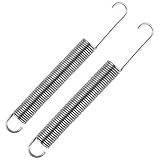
Zookpr 2Pcs 7 Inch Recliner Springs Replacement Sofa Chair Mechanism Spring

KUANYUOO 7" Replacement Recliner Sofa Chair Mechanism Tension Steel Spring 2Pcs Long Neck Hook Style

kzfuli 3-5/8 Inch Replacement Recliner Chair Mechanism Furniture Tension Springs Long Neck Style ,Long Neck Hook Style-Recliner Replacement Parts-3.46 Inch Inside Hook to Hook (Silver White 2Pcs)
Before You Start
Make sure the recliner is placed on a flat, stable surface with enough room to work around it. If the recliner is a power model, unplug it before turning it over or working on any internal parts. Remove cushions if needed and keep small hardware in a safe place so nothing gets lost during the repair.
Take a few photos of the underside before removing anything. This makes it easier to remember how the old spring was positioned and how the surrounding parts were attached.
How to Replace a Zigzag Spring in a Recliner
If your recliner feels like it sags when you sit down or the seat support feels uneven, the zigzag spring may be damaged. Follow these steps carefully.
Step 1 – Turn the chair over and remove the covering
Carefully flip the recliner over so you can access the underside. Remove the dust cover or fabric covering that hides the frame and internal components. This covering is usually attached with staples, clips, or small fasteners.
Once removed, inspect the springs underneath the seat. Look for springs that are bent, detached, cracked, or stretched out of shape.
Step 2 – Locate the retaining bolts or attachment points
Find the retaining bolts, clips, or mounting points that hold the damaged zigzag spring in place. Use an adjustable wrench or pliers to loosen them. Avoid removing everything too quickly. It is better to loosen each connection carefully before taking the spring out fully.
Step 3 – Remove the broken spring
Once the mounting points are loose, gently pull the top section of the broken zigzag spring free. After that, remove the lower section from its clamp or bracket. Be careful during this step, especially if the spring is warped or still under slight tension.
Step 4 – Compare the damaged spring with a replacement
Before installing a new one, compare the old spring to the replacement. Check the length, width, curve, and hook style. A mismatched spring may not fit correctly and can affect comfort or durability.
If you are shopping for parts, look for zigzag spring for recliner options that match your chair as closely as possible.
Step 5 – Install the new zigzag spring
Attach the upper part of the new spring first, then secure the lower end into its clamp or bracket. Some people find it easier to connect the end with the clearest visibility first. Make sure the spring sits properly and is aligned the same way as the original.
If multiple zigzag springs are worn, it may be worth replacing more than one at the same time so the seat feels balanced and evenly supported.
Step 6 – Reattach the covering and test the chair
Once the new spring is secure, reattach the dust cover or upholstery underneath the recliner. Flip the chair back upright and test it by sitting in it. Pay attention to how the seat feels. A successful repair should restore support and reduce the sagging sensation.
How to Replace a Recoil Tension Spring in a Recliner
If the chair reclines too easily, feels loose, or no longer provides enough resistance, the recoil tension spring may be the faulty part. These springs are connected to the reclining mechanism, so take extra care during removal and installation.
Step 1 – Flip the recliner over and locate the recoil spring
Turn the recliner over and remove the bottom covering if necessary. Locate the recoil tension spring and inspect the area where it is attached. Check whether the spring is broken, stretched, missing, detached, or simply worn out.
Step 2 – Wear gloves and safety goggles before removing the spring
Because recoil springs may still hold tension, safety goggles and gloves are strongly recommended. Use pliers to carefully unhook the damaged recoil spring from each attachment point. Move slowly and keep your hands clear of the spring path.
Step 3 – Buy a compatible replacement spring
Choose a replacement spring that matches the original size and strength as closely as possible. In many cases, a heavy-duty replacement is a smart choice if your recliner gets frequent daily use.
You can browse recliner recoil tension spring options and compare the size, hook style, and spring strength before ordering.
Step 4 – Stretch the spring slightly if needed
Some replacement recoil springs may need slight stretching before installation so they align more easily with the mounting points. Use two screwdrivers or appropriate tools to gently extend the spring just enough for installation. Do not overstretch it. Allow it to rest briefly before fitting it into place.
Step 5 – Install the new recoil spring carefully
Fix the new spring onto the correct attachment points, starting with one end and then securing the other. Locking pliers can help you control the spring more safely during installation. Double-check that the spring is seated correctly and not twisted.
Step 6 – Reassemble and test the recliner
Once the spring is installed, put the covering back in place and return the recliner to its normal position. Sit in the chair and test the reclining action several times. The movement should feel more controlled, supportive, and even.
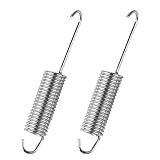
Ulreon 2 Pack 4 1/2'' Replacement Spring for Recliner Chair Recliner Spring for Couch Mechanism Sofa Folding Beds Trampolines RV Furniture
KUANYUOO 7" Replacement Recliner Sofa Chair Mechanism Tension Steel Spring 2Pcs Long Neck Hook Style

6 Inch Extension Spring for Berkline Recliner Tilt Assist Mechanism-2 Pack
Common Mistakes to Avoid When Replacing Recliner Springs
Even a simple repair can go wrong if you rush. Here are some of the most common mistakes to avoid:
- Buying the wrong type of spring without checking the original first
- Forgetting to photograph the underside before disassembly
- Removing hardware too quickly without noting where it goes
- Working without goggles or gloves when handling tension springs
- Installing the spring at the wrong angle
- Replacing only one damaged part when nearby springs are also badly worn
Taking your time can make the repair easier and safer.
When You Should Replace More Than One Spring
Sometimes only one spring is clearly broken, but the surrounding springs are already weak. If your recliner is older and heavily used, replacing only a single spring may leave the chair feeling uneven. Inspect the nearby springs for rust, stretching, cracks, or loss of shape.
If several parts look worn, replacing multiple springs at once can save time and help restore comfort more evenly.
How to Know If the Spring Is Not the Only Problem
In some recliners, a failed spring is only part of the issue. If replacing the spring does not fully solve the problem, check for these additional faults:
- Loose bolts in the frame
- Damaged recliner mechanism
- Broken brackets or clamps
- Worn seat padding
- Misaligned reclining linkage
A sagging seat, for example, may be caused by both a weak spring and worn foam padding. A loose reclining action could also involve linkage wear in addition to the recoil spring.
Maintenance Tips to Make Recliner Springs Last Longer
Replacing a spring takes time, so it helps to keep the new one in good condition for as long as possible.
- Avoid dropping heavily into the chair
- Do not force the recliner open or closed
- Inspect the underside occasionally for loose parts or wear
- Tighten loose bolts before they stress nearby components
- Keep the mechanism clean and free from dust buildup
- Address small comfort or movement issues early before they worsen
Simple maintenance can extend the life of your recliner and reduce the chance of future repairs.
Video Guide
If you want a visual reference for the replacement process, this video may help:
Final Thoughts
A broken recliner spring does not mean your favorite chair is finished. Whether the problem is a zigzag spring under the seat or a recoil tension spring in the reclining mechanism, the repair is often manageable with patience and the right replacement parts.
The most important steps are identifying the correct spring type, working safely, and installing a compatible replacement. Once done correctly, your recliner can feel supportive and comfortable again without the cost of replacing the entire chair.
With the steps above, replacing a Lazyboy recliner tension spring should feel much more approachable. Work carefully, pay attention to the spring type, and test everything before regular use. If you need more help diagnosing related issues, read our recliner troubleshooting guide.
Lazyboy Recliner Cable Snapped? Here’s Why
If your Lazyboy recliner cable snapped, you are not alone. A broken recliner cable is one of the most common problems recliner owners face, especially after years of regular use. One day the handle feels loose, the footrest stops responding, or the chair simply refuses to recline. In many cases, the real issue is not the entire recliner mechanism. It is the cable that connects the handle to the release system.
A snapped cable can feel like a major problem at first, but it is often a very repairable one. The important thing is understanding why it happened, how to identify the exact cause, and what steps to take next. In some cases, you only need a replacement cable. In others, the cable failed because another part of the recliner was already under too much stress.
This guide explains the most common reasons a Lazyboy recliner cable snaps, the warning signs to look for, how to inspect the damage, and what products may help with repair and maintenance.
What Does the Recliner Cable Actually Do?
The recliner cable is the part that links your external handle or pull tab to the internal release mechanism under the chair. When you pull the handle, the cable transfers that movement to the latch system, allowing the footrest to pop open and the recliner to move.
If the cable snaps, stretches too far, slips out of place, or detaches from one end, the release mechanism may no longer respond. That is why a broken cable often makes the recliner feel stuck, unresponsive, or partially functional.
In many Lazyboy recliners, the cable works every single time the chair is opened. Over months and years, that repeated pulling creates wear. Eventually, the cable or one of its attachment points can fail.
Signs Your Lazyboy Recliner Cable Has Snapped
If you are not sure whether the cable is the problem, here are some of the most common signs:
- The recliner handle suddenly feels loose or floppy
- You pull the handle, but the footrest does not release
- The recliner opens only partially
- You hear a pop or snap when using the handle
- The chair worked fine before suddenly failing
- The exposed cable looks frayed, stretched, or disconnected underneath the recliner
If these symptoms sound familiar, the cable is one of the first parts you should inspect.
Lazyboy Recliner Cable Snapped? Here’s Why
1. Normal wear and tear over time
The most common reason a Lazyboy recliner cable snaps is simple wear and tear. Recliners have moving parts that experience repeated tension every time the handle is used. Over the years, the cable can weaken internally even if the outside still looks intact.
Metal strands inside the cable may begin to fray, and plastic coverings can crack or stiffen. Once enough internal wear builds up, the cable can finally snap during ordinary use.
This is especially common in recliners that are used daily or by multiple people in the home.
2. Pulling the handle too hard
A recliner handle should release the footrest with steady pressure, not excessive force. If the mechanism begins to stick and someone pulls harder than usual, that added tension can place too much strain on the cable.
Over time, repeated forceful pulling can stretch the cable, weaken the mounting points, or cause a full break. In some cases, the cable itself is not the only issue. A sticky mechanism underneath the chair may be forcing the cable to work harder than it should.
If your handle has become harder to use over time, do not ignore it. That is often an early warning sign that something is putting extra stress on the cable.
3. A stuck or dry recliner mechanism
The cable is only one part of the system. If the recliner mechanism underneath the chair becomes dry, dirty, rusty, or misaligned, the release system may stop moving smoothly.
When that happens, the cable absorbs the extra resistance. Instead of pulling a smooth latch, it has to fight friction, stiffness, or binding parts. Eventually, the cable can stretch or snap because the mechanism is no longer operating the way it should.
Light maintenance can sometimes prevent this. Cleaning the underside and using a product like silicone spray lubricant can help moving parts work more smoothly without attracting as much dust as heavier grease.
4. Cable fraying before the final break
A snapped cable usually does not fail all at once without warning. In many cases, the cable frays first. That means the internal wires start breaking one by one until the remaining strands can no longer handle the load.
Before the full snap happens, you may notice the handle feels rough, the release becomes inconsistent, or the chair opens with more effort than usual. If caught early, this stage can help you avoid a complete failure.
If you inspect the cable and see damage, it is smart to replace it before it fully breaks. Many owners look for a recliner replacement cable once these warning signs appear.
5. Poor alignment or incorrect cable routing
If a previous repair was done incorrectly, or if the cable has shifted from its original path, it may be rubbing against the frame, bending too sharply, or catching on moving parts.
A cable that is not routed properly wears out much faster. Every recliner movement can add friction to the same stress point until the cable finally gives out.
This is one reason it helps to take clear photos before removing an old cable. When installing a new one, make sure it follows the same path as the original and sits securely in the correct brackets.
Tools like needle nose pliers and a basic screwdriver set can make it easier to remove and reinstall cable attachments carefully.
6. The recliner is being used beyond normal load
Recliners are built for regular sitting and reclining, but rough treatment can shorten the life of the cable and mechanism. For example, dropping heavily into the chair, forcing the footrest closed, or letting children repeatedly jump on the recliner can create extra strain on internal parts.
While the cable may seem like the failed component, repeated misuse often contributes to the damage. The cable becomes the weak point that finally gives way.
7. Age-related brittleness in older parts
Older recliners can develop brittle plastic housings, worn brackets, and stiff outer cable sleeves. Even if the metal cable itself is still partly intact, the surrounding parts may crack or stop supporting it correctly.
Once the support system around the cable weakens, the cable can twist, bind, or pull at the wrong angle. That makes snapping more likely.
If your recliner is older, it may be worth checking not only the cable but also the handle, bracket, release lever, and nearby mounting hardware.
8. The handle or release assembly is damaged too
Sometimes the cable snaps because the handle assembly has worn down or shifted out of place. A cracked handle mount, loose screw, or damaged release lever can create unusual tension each time the recliner is opened.
In this case, replacing only the cable may not fully solve the problem. You may also need a recliner handle replacement or a compatible release assembly.
It is always a good idea to inspect both ends of the cable before ordering parts.
How to Check If the Cable Is Really Broken
Step 1: Unplug the recliner if it is a power model
If your Lazyboy recliner has power functions, unplug it before inspecting any moving parts. Even if the cable problem affects a manual release section, safety comes first.
Step 2: Carefully tilt the recliner forward
Move the recliner onto a safe surface and gently tilt or flip it so you can inspect the underside. This gives you a clear view of the cable, release mechanism, brackets, and frame.
Using a small repair flashlight can make it easier to see frayed ends, disconnected hooks, or damaged mounting points.
Step 3: Inspect the full cable length
Look for obvious problems such as:
- A cable that is fully separated
- Frayed strands near the handle or release end
- A detached hook or clip
- A cable housing that is cracked or bent
- Signs the cable has been rubbing against the frame
Step 4: Test the handle and latch movement
Watch what happens when the handle is pulled. If the handle moves but the latch underneath does not, the cable may be broken or disconnected. If both move slightly but not enough to release the footrest, the cable may be stretched or the latch may be sticking.
Step 5: Measure before ordering a replacement
Not all recliner cables are identical. Before ordering anything, measure the exposed cable length, the full housing length, and check the hook style or mount type on both ends.
Many people use a tape measure to compare the broken cable with replacement options before buying.
Baridwon 2 Set Recliner Replacement Parts, Durable Recliner Release Pull Handle with Recliner Pull Cable, Repair Replacement Parts Compatible with Most Furniture of Recliner Chair Sofa Couch
Baridwon Recliner Lever Parts, Handle with Exposed Cable 4.75in, 2 Sets | Recliner mechanism repair kit: release pull handle and cable for sofa, couch, chair; compatible with most furniture
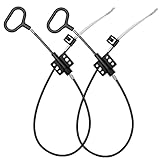
Nonley Sofa Recliner Cables, 2 Pack Couch Release Cables Recliner Replacement Parts D Ring Couch Recliner Pull Handle, Hook Exposed Cable with S Tip for Sofa, Black
Can You Fix a Snapped Lazyboy Recliner Cable?
Yes, in many cases you can. A snapped recliner cable is often one of the more manageable recliner repairs. If the mechanism itself is still in good condition, replacing the cable may restore normal function.
That said, the success of the repair depends on whether the cable was the only failed part. If the latch is bent, the handle is cracked, or the mechanism is binding badly, you may need to address those issues too.
For many homeowners, the easiest solution is to replace the broken part with a universal recliner cable replacement after checking measurements and connector style.
Should You Repair It Yourself or Call a Professional?
DIY repair makes sense if:
- The cable is clearly broken or detached
- You can access the underside of the recliner safely
- You are comfortable removing a handle or bracket
- You have basic tools and can match the replacement part correctly
Professional repair may be better if:
- The recliner has multiple issues
- The mechanism is bent or badly jammed
- The recliner is very expensive or still under warranty
- You are not sure which part failed
If the chair is still under store or manufacturer coverage, check that first before replacing parts yourself.
Products That May Help With a Lazyboy Recliner Cable Repair
Baridwon 2 Set Recliner Replacement Parts, Durable Recliner Release Pull Handle with Recliner Pull Cable, Repair Replacement Parts Compatible with Most Furniture of Recliner Chair Sofa Couch
2 Pieces Recliner Release Cable Replacement D-Ring Pull Handle, Exposed Length 4.75" with S Tip
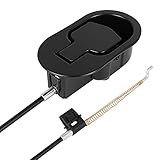
Nonley Heavy-Duty Metal Recliner Handle Replacement Parts with Cable, Recliner Pull Handle Release Fits Most Major Recliner Couch Sofa Chair
If you are troubleshooting or planning a repair, these product categories are often useful:
- Recliner replacement cables
- Recliner handle replacements
- Silicone spray lubricant
- Needle nose pliers
- Screwdriver sets
- Tape measures
- Repair flashlights
When choosing a replacement part, do not assume every recliner cable is the same. Length, exposed wire distance, handle style, and end connectors all matter.
How to Prevent the Next Cable From Snapping
- Do not yank the handle with excessive force
- Inspect the cable if the handle starts feeling stiff or loose
- Keep the mechanism clean and free of dust buildup
- Lubricate moving metal parts occasionally with silicone spray lubricant
- Replace fraying cables before they fully snap
- Make sure any replacement cable is routed correctly
- Avoid rough use, slamming, or forcing the recliner shut
Preventive maintenance is often much cheaper and easier than a full repair after complete failure.
When a Snapped Cable Is a Sign of a Bigger Problem
Sometimes a broken cable is only the visible symptom. If your new cable also feels tight, hard to pull, or fails again quickly, the real issue may be elsewhere. Look for:
- A bent release lever
- A jammed footrest linkage
- Loose frame hardware
- A cracked handle mount
- A rusty or dirty latch assembly
In those situations, replacing the cable without fixing the root cause can lead to repeated breakage.
Final Thoughts
If your Lazyboy recliner cable snapped, the most likely causes are age, wear, excess pulling force, a sticking mechanism, poor cable alignment, or hidden damage in the handle or release assembly. The good news is that this problem is often repairable, especially if you catch it early and inspect the entire system before ordering parts.
A broken cable does not always mean the recliner is ruined. In many cases, a careful inspection, the right replacement part, and a few simple tools are enough to get your chair working again.
If you are gathering parts for the repair, start by checking options for a recliner replacement cable, a recliner handle replacement, and silicone spray lubricant so you can inspect, repair, and maintain the mechanism properly.