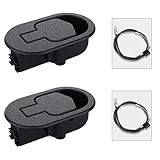
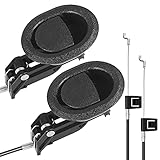
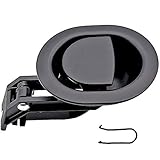
Featured Articles
Where is Lazyboy Recliners Made?
If you have ever heard of a recliner, there is a good chance you have heard the name “Lazy Boy.” In fact, the brand has become so closely associated with reclining furniture that many people casually use the name when talking about recliners in general. However, Lazy Boy is actually a furniture manufacturer with a much wider product range that includes recliners, sofas, loveseats, sectionals, chairs, and other upholstered furniture for the home.
The company has built its reputation around comfort-oriented furniture, with recliners remaining one of its best-known product categories. Over the decades, Lazy Boy has developed many different recliner styles, including traditional manual recliners, rocking recliners, wall recliners, swivel recliners, power recliners, and models with additional comfort features such as adjustable headrests and lumbar support.
For buyers trying to decide whether a Lazy Boy recliner is worth the price, it helps to understand the company’s history, how its furniture is manufactured, what affects quality, and why the brand continues to have such strong recognition in the furniture industry.
How Lazy Boy started
Lazy Boy has a long history that goes back to the late 1920s. The company was founded by cousins Edward M. Knabusch and Edwin J. Shoemaker in Monroe, Michigan.
Their early furniture business started modestly, but the pair eventually began experimenting with a wooden porch chair that could recline. Their reclining chair design became the foundation for what would eventually develop into one of the best-known furniture brands in North America.
The first reclining chair associated with the company appeared in 1928. From there, the business gradually expanded from basic reclining chairs into upholstered recliners and eventually into a much broader range of residential furniture.
The company’s growth is often used as an example of a small American furniture business developing into a major international brand through product innovation, manufacturing expansion, and a strong focus on comfort.
Why Lazy Boy became so closely associated with recliners
Lazy Boy did not invent every type of recliner, but the company played a major role in popularizing reclining furniture for everyday household use.
Over the years, the brand became closely associated with features such as:
- Reclining backrests
- Integrated footrests
- Rocking mechanisms
- Wall-saving recliner designs
- Power reclining systems
- Adjustable headrest options
- Power lumbar support
- Swivel and gliding mechanisms
Because Lazy Boy has been selling recliners for generations, many families have owned more than one of its chairs over the years. That long-term visibility has helped make the brand name nearly synonymous with recliner furniture in everyday conversation.
Lazy Boy makes more than recliners
Although recliners are probably the company’s most recognizable product, Lazy Boy sells much more than individual reclining chairs.
Depending on the market and product line, Lazy Boy furniture may include:
- Manual recliners
- Power recliners
- Rocking recliners
- Wall recliners
- Swivel recliners
- Lift-style seating
- Sofas
- Reclining sofas
- Loveseats
- Reclining loveseats
- Sectionals
- Stationary chairs
- Accent furniture
This means buyers can often coordinate a recliner with other seating in the same room rather than purchasing the chair as a completely separate piece of furniture.
Why buyers care about where Lazy Boy furniture is made
When buying furniture, many people want to know where it was manufactured. This can matter for several reasons, including perceived quality, domestic employment, replacement-part availability, supply-chain reliability, and personal preference.
Some buyers specifically look for furniture manufactured or assembled in the United States. Lazy Boy has historically maintained significant manufacturing operations in North America, which is one reason the brand often appeals to customers who value domestic furniture production.
However, it is important to understand that modern furniture manufacturing is complex. A finished recliner may involve materials, components, fabrics, electronics, mechanisms, or other parts sourced from multiple locations.
For that reason, it is more accurate to evaluate a particular model rather than assuming every component in every Lazy Boy recliner comes from the same country.
If manufacturing origin is important to you, check the product information, law label, dealer information, and documentation for the exact chair you are considering.
Is every Lazy Boy recliner made in the USA?
Not necessarily.
Lazy Boy has significant American manufacturing operations and a long history of furniture production in the United States, but buyers should not assume that every recliner, every component, or every material is exclusively made in the USA.
Different models and components can have different sourcing arrangements.
The safest approach is to check the manufacturing label on the exact chair or ask the authorized dealer before purchasing.
This is particularly important if “Made in USA,” “Made in USA with imported components,” or another specific country-of-origin designation is a major factor in your buying decision.
Does country of manufacture automatically determine furniture quality?
No.
It is easy to assume that furniture manufactured in one country is automatically better than furniture made somewhere else, but quality depends on many factors.
A better way to judge a recliner is to look at:
- Frame construction
- Reclining mechanism quality
- Seat support
- Cushion materials
- Upholstery quality
- Stitching
- Power components
- Hardware
- Warranty coverage
- Availability of replacement parts
Well-made furniture can come from many countries, just as poorly made furniture can.
The brand, factory standards, material specifications, quality-control process, and exact product line matter much more than simply looking at the country name on the label.
What makes a Lazy Boy recliner feel different?
One reason customers continue to buy Lazy Boy recliners is that the company offers many different seating styles rather than using one universal chair shape.
Recliners can differ significantly in:
- Seat width
- Seat depth
- Back height
- Arm height
- Cushion firmness
- Footrest length
- Reclining angle
- Head support
- Lumbar support
A recliner that feels excellent for a tall person may feel too deep for someone shorter. Likewise, a compact model may fit a smaller user very well but feel cramped for someone with a larger build.
That is why it is always a good idea to sit in the recliner before purchasing when possible.

HOMBYS Lumbar Support Pillow for Recliner Chair, Memory Foam Back Support Cushion for Elderly,Extra Large Lumbar Support Pillow,Thick Backrest for Home Reading (Grey, 20“x13.5"x5")

Lumbar Support Pillow for Office Chair, Office Home Essentials,Gifts for Mom,Dad, Back Support Pillow for Car, Chair Cushions,Back Pain Relief Improve Posture,Mesh Cover Double Adjustable Straps

Everlasting Comfort The Original Lumbar Support Pillow for Office Chair - Improves Posture, Promotes Back Pain Relief - Superior Back Support for Gaming and Desk Chairs - Lumbar Pillow for Car, Couch
Manual and power Lazy Boy recliners
Modern Lazy Boy buyers generally have a choice between manual and power reclining systems.
A manual recliner typically uses a handle, lever, or body movement to activate the mechanism.
Advantages of manual recliners may include:
- Simple operation
- No electrical outlet required
- Fewer electronic parts
- Usually lower purchase price
- Often simpler repairs
Power recliners use an electric motor and controls to adjust the chair.
Advantages may include:
- Easier operation
- More precise positioning
- Less physical effort
- Optional power headrest adjustment
- Optional lumbar adjustment
- Convenient controls
Neither option is automatically better. The best choice depends on your comfort preferences, budget, mobility, and willingness to maintain additional powered components.
Lazy Boy upholstery choices
Another major part of the buying decision is upholstery.
Lazy Boy recliners may be available in a variety of fabrics and leather options depending on the model.
Fabric upholstery can offer:
- More colors
- More textures
- More patterns
- A softer initial feel
- Generally lower pricing
Leather can offer:
- A premium appearance
- A smooth surface
- Easier removal of pet hair
- Good durability when properly maintained
- A distinctive aging appearance
The specific grade matters more than simply choosing between “fabric” and “leather.” High-quality performance fabric may outperform inexpensive synthetic leather, while premium genuine leather may last for many years with proper care.
Lazy Boy frame and mechanism quality
The reclining mechanism is one of the most important parts of any recliner.
It has to support repeated movement while carrying the weight of the user. Over years of use, the mechanism may operate thousands of times.
Important components can include:
- Metal linkage
- Springs
- Release handles
- Cables
- Ratchet mechanisms
- Pivot points
- Bolts
- Brackets
- Footrest supports
Power models add parts such as:
- Electric motors
- Transformers
- Control switches
- Hand controls
- Power wiring
- Control modules
One advantage of owning a well-known recliner brand is that replacement parts and repair information can often be easier to locate than with obscure furniture brands.
Are Lazy Boy recliners repairable?
Yes, many Lazy Boy recliner problems can be repaired.
A broken handle, cable, spring, or power switch does not necessarily mean you need to replace the whole chair.
Common repairable problems include:
- Broken recliner handle
- Snapped recliner cable
- Weak tension spring
- Broken seat spring
- Loose mechanism
- Power transformer failure
- Bad recliner switch
- Loose wiring
- Worn seat cushion
This repairability is an important consideration when comparing furniture.
A cheap chair that cannot easily be repaired may ultimately cost more if it has to be replaced after a single component fails.
Replacement parts and long-term ownership
Before buying any recliner, think beyond the first few years.
Ask yourself whether common wear parts are available and whether the chair can realistically be serviced later.
Parts that may eventually need attention include:
- Handles
- Cables
- Springs
- Power switches
- Transformers
- Motors
- Seat foam
- Upholstery
Even a high-quality recliner experiences wear if it is used every day.
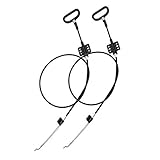
2 Pieces Recliner Release Cable Replacement D-Ring Pull Handle, Exposed Length 4.75" with S Tip

RRRP - Recliner Replacement Parts - Universal D Handle Cable - Spring S/Z Hook Exposed 5.25" Length is 43" fits Berkline/Major Brands Couch Parachute Ring Style Pull Chair Release Handle Sofa
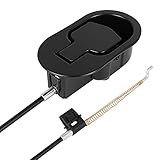
Nonley Heavy-Duty Metal Recliner Handle Replacement Parts with Cable, Recliner Pull Handle Release Fits Most Major Recliner Couch Sofa Chair
Why buying from an authorized dealer can matter
Buying through an authorized Lazy Boy dealer may make it easier to obtain:
- Correct model information
- Warranty assistance
- Replacement parts
- Service information
- Upholstery samples
- Delivery support
This can be particularly valuable if you are buying an expensive power recliner or custom upholstery.
Keep your receipt and photograph the product identification tag after delivery. Those details can be useful years later if you need parts or service.
Check the identification tag
The identification tag is one of the most useful pieces of information on your recliner.
Depending on the chair, it may include:
- Model information
- Manufacturing information
- Fabric or upholstery codes
- Production details
- Other identification numbers
If you ever need replacement parts, this information can make identifying the correct component much easier.
Take a clear photograph of the tag when the recliner is new and store it along with your purchase information.
Lazy Boy warranty considerations
Warranty coverage is another reason buyers may choose a major furniture manufacturer over an unknown brand.
However, warranty coverage can vary by component.
For example, the warranty period for a frame or mechanism may not necessarily be the same as the warranty for:
- Fabric
- Leather
- Foam
- Power components
- Labor
Always read the warranty that applies to the exact product you are purchasing.
Do not assume the phrase “limited lifetime warranty” means every part and every repair will be covered forever.
Are Lazy Boy recliners expensive?
Lazy Boy recliners are generally positioned above many budget furniture brands, but pricing varies significantly depending on the model and options.
Price can increase based on:
- Leather upholstery
- Power reclining
- Power headrest
- Power lumbar support
- Swivel base
- Lift functionality
- Premium fabrics
- Larger frame size
- Custom upholstery
A basic manual fabric recliner can cost significantly less than a large power leather recliner with multiple adjustable functions.
Is paying more worth it?
That depends on how often you use the chair.
If the recliner will be used every day for many hours, spending more for proper fit, better upholstery, stronger construction, and useful comfort features may make sense.
A recliner is not just decorative furniture.
For many owners, it is where they:
- Watch television
- Read
- Nap
- Recover after work
- Spend time with family
- Relax every evening
A chair used several hours every day may justify a larger investment than furniture that is rarely used.
How to test a Lazy Boy recliner before buying
If possible, do not make your decision based only on photos.
Sit in the chair for several minutes.
Check whether:
- Your feet comfortably reach the floor when upright
- Your knees sit naturally
- The seat supports your thighs
- Your lower back feels supported
- Your head rests comfortably
- The arms are at a natural height
- The footrest supports your legs properly
- The recliner is easy to operate
Then recline the chair.
Try several positions rather than opening the footrest once and immediately standing up.
A recliner can feel comfortable for 30 seconds but uncomfortable after 20 minutes if it is the wrong size for your body.
Measure your room before buying
A recliner requires more room than it appears to when sitting upright.
Measure:
- Overall chair width
- Upright depth
- Fully reclined length
- Wall clearance
- Space in front of the footrest
- Doorway width
Do not forget delivery access.
A recliner that fits perfectly in the living room is not useful if it cannot fit through your front door, hallway, staircase, or elevator.
Wall recliners for smaller rooms
If space is limited, consider a wall recliner.
Wall recliners are designed to operate closer to the wall than traditional recliners by shifting the seat forward as the back reclines.
These can be useful in:
- Apartments
- Small living rooms
- Bedrooms
- Home offices
- Condos
Even with a wall recliner, check the manufacturer’s recommended clearance rather than placing the chair directly against the wall.
Rocking recliners
Rocking recliners combine reclining comfort with a rocking base.
They are popular for:
- Living rooms
- Nurseries
- Reading areas
- Relaxation
Remember that a rocking recliner requires additional movement clearance behind and around the chair compared with some stationary designs.
Power recliners and electrical planning
If you choose a power Lazy Boy recliner, think about electrical access before delivery.
You will generally need a nearby outlet.
Avoid running cords through high-traffic areas where someone could trip over them.
You should also periodically inspect power cables for:
- Pinching
- Fraying
- Loose connectors
- Damage from the mechanism
Never allow power wiring to become trapped in moving recliner parts.
How long can a Lazy Boy recliner last?
There is no exact lifespan that applies to every chair.
The useful life depends on:
- Frequency of use
- User weight
- Maintenance
- Upholstery
- Pets
- Children
- Environment
- Mechanism care
- Whether small problems are repaired early
A lightly used recliner in a guest room may remain in excellent condition much longer than the main recliner used for several hours every day.
Regular maintenance and timely repairs can make a significant difference.
How to make a Lazy Boy recliner last longer
Good habits include:
- Do not slam the footrest closed
- Avoid dropping heavily into the chair
- Clean upholstery using the correct method
- Keep leather away from excessive heat and sunlight
- Vacuum fabric regularly
- Repair loose handles before they break completely
- Replace frayed cables early
- Check loose bolts periodically
- Keep power cords away from moving mechanisms
Small maintenance jobs can prevent larger repair bills later.
Is Lazy Boy still a good choice?
For buyers looking for established recliner designs, a large model selection, multiple upholstery options, and a brand with a long history in reclining furniture, Lazy Boy remains an option worth considering.
That does not mean every Lazy Boy recliner is automatically right for every person.
The best chair is the one that fits:
- Your body
- Your room
- Your budget
- Your comfort preferences
- Your desired features
- Your maintenance expectations
Compare multiple models rather than buying solely because of the brand name.
Final thoughts
From its early beginnings when Edward M. Knabusch and Edwin J. Shoemaker began building furniture in Michigan, Lazy Boy developed into one of the most recognizable names in reclining furniture.
Its history in the American furniture industry is an important part of the brand, but modern buyers should look beyond branding alone.
Manufacturing location is only one factor. Frame construction, mechanism quality, upholstery, comfort, warranty coverage, replacement-part availability, and proper fit are equally important.
When buying a Lazy Boy, take the time to compare models, test the chair if possible, read the warranty, check the exact upholstery, confirm manufacturing information if that matters to you, and measure your room carefully.
A well-chosen recliner is something you may use for hours every day and keep for many years. Taking a little extra time before purchasing can help make sure you get a Lazy Boy recliner that provides the comfort, support, and long-term value you expect.
Lazyboy Recliner: Feet Don’t Touch Floor and Leans Too Far Back
With the style and comfort that a Lazyboy recliner provides, every living room, family room, bedroom, home theater, or bachelor pad can benefit from one in terms of both aesthetics and functionality. Being able to lean back after a long day and relax comfortably is one of the main reasons people invest in a recliner in the first place.
That is why it can be frustrating when your feet do not touch the floor while sitting upright. Instead of feeling relaxed, you may feel like your legs are dangling, your thighs are under pressure, or your lower back is not properly supported. Over time, this can make the chair uncomfortable even if everything else about the recliner seems fine.
If your feet do not touch the floor in your Lazyboy recliner, there are usually a few possible reasons. The recliner pitch may need adjustment, the seat may simply be too high or deep for your body, the chair may be the wrong size for your height, or the model may not be the best fit for your sitting posture.
Before replacing the chair, it is worth checking the recliner pitch and making sure the chair is adjusted properly.
Why your feet should touch the floor
When you are sitting upright in a recliner, your feet should ideally rest comfortably on the floor without forcing you to slide forward in the seat.
A good sitting position usually means:
- Your back is supported by the backrest
- Your hips are positioned comfortably toward the back of the seat
- Your knees bend naturally
- Your thighs are supported without excessive pressure
- Your feet rest comfortably on the floor
If your feet are hanging above the floor, your body may compensate by sliding forward or changing posture. This can reduce lower-back support and make the chair feel much less comfortable during long periods of sitting.
Common signs the recliner is too tall or too deep for you
You may have a fit problem if:
- Your feet do not reach the floor while your back is fully supported
- You need to sit toward the front edge of the chair to touch the floor
- You feel pressure underneath your thighs
- Your legs feel uncomfortable after sitting for a long time
- You cannot comfortably use the rocking motion
- The headrest sits too high on your head
Sometimes a small pitch adjustment can solve the problem. Other times, the seat dimensions themselves are simply not ideal for your height.
Pitch Needs Adjustment
The base or seat angle of the Lazyboy recliner may be positioned too high at the front, which can contribute to your feet not touching the floor.
Recliner pitch refers to the angle of the chair base and seat relative to the floor. Adjusting this angle can change the way your body sits in the chair.
If the front of the chair is too high, lowering the pitch may allow your legs to sit slightly lower and make it easier for your feet to reach the floor.
Perform the steps below to adjust the chair’s pitch:
– You first need to gain access to the recliner mechanism located underneath the chair. Make sure the footrest is closed and the chair is stable before carefully turning or tilting it forward.
– Protect the floor before flipping the recliner. A blanket, rug, or piece of cardboard can help prevent damage to hardwood flooring and upholstery.
– Locate the recliner mechanism and mounting screws on both sides of the chair.
– Loosen the back screws on either side of the mechanism without removing them completely. These screws usually act as pivot points while you reposition the mechanism.
– Remove the front screws from the mechanism on both sides.
– To lower the recliner pitch, carefully grab the frame and slide the mechanism forward. This changes the angle of the chair and can lower the effective seat position.
– At the front of the base, you may find a slot with several grooves or adjustment positions. These grooves allow you to choose different pitch settings.
– Select the same groove position on both sides. Keeping both sides equal is extremely important because an uneven setting can cause the recliner to lean or operate incorrectly.
– Reinstall the front screws into the selected groove.
– Tighten both the front and rear screws securely.
– Turn the recliner upright again and test the chair.
– Sit all the way back in the seat and check whether your feet now rest more comfortably on the floor.
Adjust one position at a time
Do not immediately move the mechanism from one extreme setting to the other.
Make one small adjustment, test the chair, and then decide whether another change is needed.
This is safer and also makes it easier to find the position that feels best.
Keep both sides adjusted equally
The pitch adjustment must be the same on the left and right sides of the chair.
If one side is set differently, the recliner may:
- Sit unevenly
- Lean to one side
- Put extra stress on the mechanism
- Recline unevenly
- Wear out components prematurely
Always count the grooves or adjustment positions carefully.
Check the screws after adjustment
Before turning the recliner upright, make sure all hardware is properly tightened.
Loose bolts can cause:
- Clicking noises
- Uneven movement
- Wobbling
- Mechanism wear
Do not overtighten the hardware to the point that you damage the threads.
Video guide for adjusting recliner pitch
In order to see how to perform the steps mentioned above, the video below demonstrates the pitch adjustment process. Watching the mechanism move can make it much easier to understand how the different adjustment positions change the chair.
What if adjusting the pitch does not fix the problem?
If your feet still do not touch the floor after adjusting the recliner pitch, the problem may not be the mechanism at all.
The chair may simply be too large for your body.
Seat height and seat depth are especially important for shorter users.
A chair can feel comfortable through the back and shoulders while still being too deep or too tall for proper leg positioning.
Your Height is the Problem or the Recliner Just isn’t for you
You may simply be too short for that particular recliner model if your feet still do not touch the ground after the pitch has been adjusted correctly.
This does not necessarily mean the chair is defective.
Recliners come in different sizes, and some are specifically designed for:
- Petite users
- Average-height users
- Tall users
- Big and tall users
A large recliner with a deep seat may feel very comfortable for a tall person but uncomfortable for someone with shorter legs.
Seat depth may be the real problem
Seat depth is the distance from the front edge of the seat to the backrest.
If the seat is too deep, you may have two choices:
- Sit all the way back and allow your feet to hang
- Slide forward so your feet touch the floor but lose back support
Neither is ideal.
A shorter seat depth usually works better for petite users because it allows the back to remain supported while the feet stay on the floor.
Seat height may also be too high
Even if the seat depth is reasonable, a tall seat can still leave your feet hanging.
Seat height is measured from the floor to the top of the seat cushion.
A difference of only one or two inches can make a noticeable difference in comfort.
If you are shopping for another recliner, compare seat height and seat depth rather than looking only at the overall dimensions of the chair.
How to test whether a recliner fits you properly
Sit all the way back in the chair with your back against the backrest.
Then check:
- Do your feet rest naturally on the floor?
- Are your knees bent at a comfortable angle?
- Is there too much pressure behind your knees?
- Does your lower back remain supported?
- Does the headrest support your head rather than pushing it forward?
If several of these points feel wrong, a different-size recliner may be a better long-term solution.
Purchase a Footrest
If the chair is otherwise comfortable and you do not want to replace it, adding a separate footrest can be one of the easiest solutions.
A footrest gives your feet a stable surface while you are sitting upright.
This can help:
- Reduce dangling legs
- Improve sitting comfort
- Reduce pressure underneath the thighs
- Support a more natural sitting posture
Look for a footrest with enough height to allow your feet to rest flat without forcing your knees too high.
An adjustable model may be especially useful because you can fine-tune it to match the recliner.
You can compare options such as a adjustable footrest for recliner or a ergonomic footrest if you want additional leg support while sitting upright.
Should you use a cushion behind your back?
Another possible short-term solution is adding a supportive cushion behind your back.
A lumbar or back cushion moves your sitting position slightly forward, which can effectively reduce the usable seat depth.
This may help shorter users reach the floor more easily.
However, do not use an excessively thick cushion because it may push you too far forward and reduce proper back support.
A lumbar support pillow for recliner may be worth trying if the seat depth is only slightly too large.
Would adding a seat cushion help?
Usually not if the problem is that your feet already do not reach the floor.
Adding a thick cushion underneath you raises your sitting position and may make the problem worse.
A seat cushion may be useful for comfort or pressure relief, but it is generally not the best solution for a chair that is already too tall.
Do not cut or modify the recliner base
Avoid trying to permanently lower the recliner by cutting the base, removing structural components, or installing shorter hardware unless you fully understand the chair’s design.
Major modifications can affect:
- Stability
- Reclining geometry
- Rocking movement
- Footrest clearance
- Warranty coverage
Using the factory pitch adjustment is much safer than permanently modifying the frame.
Make sure the floor is level
If your recliner suddenly feels different or seems higher on one side, check the floor.
Uneven flooring or a thick rug can change the way the chair sits.
Place the recliner on a level surface and test it again before making mechanical adjustments.
Check for loose or worn mechanism parts
If the seat angle seems unusual, inspect the mechanism underneath.
Look for:
- Loose mounting screws
- Bent brackets
- Uneven adjustment settings
- Missing hardware
A recliner that has shifted because of loose hardware may feel too high or tilted even if the original pitch setting was correct.
What if the recliner leans too far back?
A chair that leans too far backward while sitting upright can create a similar problem because your body shifts backward and your feet move farther away from the floor.
This may be related to:
- Pitch adjustment
- Reclining tension
- Worn springs
- Incorrect mechanism position
If the chair feels unusually loose while reclining, inspect the tension adjustment as well as the pitch.
Pitch and recliner tension are not the same thing
Pitch affects the angle and position of the chair base.
Recliner tension affects how much force is required to lean backward.
Changing tension will not necessarily lower the seat, and changing pitch will not necessarily make the reclining action harder or easier.
It is important to identify which problem you actually have before making adjustments.
Should you return or exchange the recliner?
If the chair is new and still within the retailer’s return or exchange period, exchanging it for a better-fitting model may be the best option.
A recliner should fit your body comfortably without requiring major modifications.
If you constantly need pillows, footrests, or unusual sitting positions to feel comfortable, a smaller model may give you a much better experience.
Before exchanging the chair, test several models in person if possible.
Look for a petite or smaller recliner
Shorter users should consider recliners designed with:
- Lower seat height
- Shallower seat depth
- Shorter overall dimensions
- Proper lower-back support
Do not assume a smaller-looking recliner automatically has the correct seat dimensions.
Always check the actual measurements.
How to measure yourself for a better recliner fit
Sit in a normal chair with your back supported.
Measure approximately:
- Floor to back of knee
- Back of hips to back of knee
- Hip width
- Floor to top of shoulder
Compare those measurements with the recliner’s seat height, depth, width, and back height.
You do not need an exact mathematical match, but these measurements give you a much better starting point than buying based on appearance alone.
Frequently Asked Questions
Why don’t my feet touch the floor in my Lazyboy recliner?
The most common reasons are excessive seat height, deep seat depth, incorrect pitch adjustment, or a recliner that is simply too large for your height.
Can Lazyboy recliner height be adjusted?
The overall physical height of the chair is generally fixed, but some recliner mechanisms allow pitch adjustment, which can slightly change how high or low the seat feels.
Will adjusting the recliner tension lower the chair?
No. Reclining tension primarily changes how much resistance you feel when leaning backward. Pitch adjustment is more relevant if you are trying to change the seating angle.
Can a footrest solve the problem?
Yes. If the recliner otherwise fits you well, a separate footrest can provide the missing support and may be the simplest solution.
Should I use a lumbar pillow?
A lumbar pillow can reduce effective seat depth by moving your body slightly forward. This can help if your legs are only slightly too short for the seat.
Is it bad if my feet do not touch the floor?
It is not necessarily dangerous for short periods, but dangling legs can become uncomfortable and may increase pressure behind the thighs. A properly fitting chair should support a natural seated posture.
Can I modify the recliner legs or base?
It is generally better to avoid permanent structural modifications. Changing the base can affect stability and reclining geometry.
How do I know if I need a smaller Lazyboy recliner?
If your back is fully supported but your feet still cannot reach the floor even after proper adjustment, the recliner may simply be too large for your body.
Final thoughts
It is difficult to achieve maximum relaxation in your Lazyboy recliner when your feet do not touch the floor.
Fortunately, there are several possible solutions.
Start by checking the recliner pitch and making sure both sides are adjusted equally.
If that does not solve the problem, consider whether the seat height or seat depth is simply too large for your body.
A separate footrest or supportive back cushion can help in some cases, but if the recliner is significantly oversized, exchanging it for a smaller model may be the better long-term solution.
The goal is not simply to make your feet touch the floor. The goal is to create a sitting position where your back, hips, thighs, knees, and feet all feel naturally supported.
When your recliner fits properly, you can sit comfortably without constantly shifting position, and you can enjoy the level of relaxation your Lazyboy recliner is supposed to provide.
Lazyboy Recliner DIY Repair
Lazy Boy recliners are known for comfort, durability, and long-term use, but even a well-built recliner can develop problems after years of daily sitting, reclining, rocking, and footrest operation. Handles can loosen, springs can weaken, cables can snap, backrests can become unstable, and internal mechanisms can wear down.
The good news is that many Lazy Boy recliner problems do not automatically mean the entire chair needs to be replaced. A surprising number of issues can be repaired at home with basic tools, replacement parts, and a careful inspection of the mechanism underneath the chair.
Before starting any DIY recliner repair, make sure you identify the exact problem first. Many recliner symptoms can look similar even though the cause is different. For example, a footrest that will not open may be caused by a broken handle, a snapped cable, a disconnected linkage, or a damaged pawl and ratchet assembly.
Always work slowly, keep track of screws and brackets, and take clear photos before removing parts. Those photos can be very helpful when you need to reinstall the mechanism later.
Below you will find some of the most common Lazy Boy recliner problems, what usually causes them, and what you can do to repair them.
1. Broken pawl and ratchet assembly
The pawl and ratchet assembly is part of the recliner mechanism that helps control the chair’s movement as it moves backward and forward into different reclining positions.
The pawl is usually a small locking bar or lever that engages with the ratchet. The ratchet is the toothed component that allows the mechanism to move into position and remain there until the chair is adjusted again.
When either part becomes worn, bent, cracked, or misaligned, you may notice:
- The recliner does not stay in position
- The chair slips backward unexpectedly
- The mechanism clicks without locking
- The recliner feels loose or unstable
- The chair will not return smoothly to the upright position
To inspect the assembly, carefully turn the recliner over so you can access the underside. Use a flashlight to locate the mechanism and look for broken teeth, loose hardware, or a pawl that is no longer engaging properly.
If the assembly needs replacement, unscrew it from the base of the chair and remove the cap or retaining hardware that keeps the pieces together. Slide the ratchet away from the pawl and replace the worn or damaged component. Reassemble the cap and reinstall the mechanism in the same position.
Take photos before disassembly so you can compare the orientation when putting everything back together.
If the mechanism feels dry or stiff but does not appear broken, a small amount of appropriate recliner mechanism lubricant may help moving metal parts operate more smoothly. Avoid spraying lubricant directly onto upholstery or electrical components.
How to tell if the pawl and ratchet assembly is the real problem
Before replacing the assembly, make sure the issue is not simply a loose bolt or another disconnected component. Sometimes the mechanism appears broken because a mounting bolt has loosened and changed the alignment.
Check:
- Mounting bolts
- Pivot points
- Metal teeth on the ratchet
- Pawl alignment
- Nearby springs
- Loose linkage arms
If the metal itself is badly bent or the ratchet teeth are stripped, replacement is usually the better option.
2. Broken Lazy Boy backrest
The backrest of many Lazy Boy recliners can be removed from the base of the chair. This makes transportation easier and also provides access to the internal mounting brackets.
A backrest problem can include:
- A loose backrest
- A backrest that rocks from side to side
- A damaged locking bracket
- Broken internal support
- Worn padding
- Torn upholstery
- A back that will not lock into the chair properly
If the backrest itself has become damaged, you do not necessarily need to replace the whole recliner. Depending on the model, you may be able to find a compatible used backrest or repair the existing one.
If you decide to use a replacement backrest from another chair, model compatibility is extremely important. The mounting brackets must line up correctly and the back should sit at the correct height and angle.
Because it can be difficult to find a used replacement in the same color and material, you may also need to reupholster the backrest so it matches the rest of the chair.
A professional upholsterer can usually handle this type of repair, but experienced DIYers may also attempt it. The foam filling must be shaped correctly and attached securely before new upholstery is installed.
If the old upholstery is still intact, it can sometimes be used as a pattern when cutting the replacement material.
You may want to compare products such as high-density upholstery foam, recliner upholstery fabric, or a staple gun for upholstery if you are repairing the padding and cover yourself.
Check the backrest brackets before replacing the whole back
Sometimes the backrest is not actually broken. The problem may be a loose or partially engaged locking bracket.
Remove the chair back carefully and inspect both mounting brackets.
Look for:
- Bent metal
- Loose screws
- Missing clips
- Misaligned locking tabs
- Cracked mounting hardware
If the brackets are intact, reinstalling the back correctly may solve the problem without replacing anything.
3. Broken seat springs
Broken seat springs are another common problem in older recliners.
The springs underneath the seat provide support and help distribute body weight. When one or more springs become weak or break, the seat may suddenly feel softer, lower, or uneven.
Common symptoms include:
- The seat feels saggy
- One side sits lower than the other
- You feel a hard spot under the cushion
- The chair makes popping or creaking noises
- The seat no longer provides enough support
Replacing recliner springs can be more difficult than replacing a handle or cable because the springs may remain under tension.
If you still want to attempt the repair yourself, start by removing the backrest if necessary. Turn the recliner over and use a flashlight to inspect the spring system underneath the seat.
Locate the damaged spring and identify how it is attached.
If it uses retaining bolts, loosen one end first and carefully pull the spring away from the chair. Then remove the second end.
Install the new spring in the reverse order and make sure the mounting points are secure.
Never work directly in line with a stretched spring because it can snap back suddenly if it slips from your tools.
You can compare recliner replacement springs before ordering, but make sure the length, hook style, and spring type match your original part.

kzfuli 3-5/8 Inch Replacement Recliner Chair Mechanism Furniture Tension Springs Long Neck Style ,Long Neck Hook Style-Recliner Replacement Parts-3.46 Inch Inside Hook to Hook (Silver White 2Pcs)

KUANYUOO 7" Replacement Recliner Sofa Chair Mechanism Tension Steel Spring 2Pcs Long Neck Hook Style
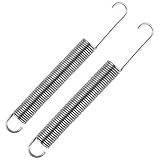
Zookpr 2Pcs 7 Inch Recliner Springs Replacement Sofa Chair Mechanism Spring
Should you replace only one spring?
If one spring has broken, inspect the surrounding springs carefully.
A single failed spring may be an isolated problem, but if the chair is old, nearby springs may also be stretched or weakened.
Replacing several badly worn springs at the same time can help prevent uneven support and reduce the need to open the recliner again soon.
4. Broken or loose recliner handle
The reclining handle is one of the most frequently used parts of a manual Lazy Boy recliner, so it is not unusual for it to loosen, crack, or break after years of use.
You may notice:
- The handle feels loose
- The handle moves but nothing happens
- The handle is cracked
- The footrest no longer releases
- The handle pulls out farther than it used to
Before buying a replacement handle, inspect the cable as well. A handle can appear broken when the real problem is a snapped or disconnected release cable.
If the handle itself is damaged, remove the screws or bolts holding it to the chair and disconnect the cable or linkage.
Measure the mounting hole spacing and connector style before ordering a replacement.
You can browse a recliner handle replacement to compare common shapes and mounting styles.
5. Snapped recliner release cable
A snapped release cable is one of the most common reasons a manual recliner footrest suddenly stops opening.
The cable runs between the handle and the release mechanism underneath the chair. Every time the handle is pulled, the cable transfers that movement to the mechanism.
Over time, the cable can:
- Stretch
- Fray
- Snap
- Detach from the handle
- Pull free from the release lever
- Develop cracks in the outer housing
If the handle suddenly feels very loose and the footrest no longer responds, inspect the cable first.
Tilt the chair carefully and trace the cable from the handle to the mechanism. Look for broken strands or disconnected ends.
Before buying a new cable, compare:
- Total cable length
- Exposed wire length
- Handle connector
- Mechanism connector
- Outer housing style
A recliner replacement cable can be inexpensive, but ordering the wrong length is a common mistake.
6. Footrest will not open
If the footrest refuses to open, do not assume the entire reclining mechanism has failed.
Possible causes include:
- Broken handle
- Snapped cable
- Disconnected linkage
- Weak or broken spring
- Jammed mechanism
- Bent metal bracket
Start with the easiest parts to inspect.
Check the handle and cable first. Then examine the mechanism underneath the chair while someone gently operates the handle.
If the cable moves but the mechanism does not release, the problem may be the latch or linkage.
If nothing moves at all, the cable or handle is more likely to be the problem.
7. Footrest will not stay closed
A footrest that keeps popping open can be just as frustrating as one that will not open.
This may happen because:
- The closing spring has weakened
- The locking mechanism is worn
- The ratchet assembly is damaged
- The linkage is bent
- A bolt has loosened
Inspect the underside of the recliner and look for loose hardware or springs that appear stretched.
Do not force the footrest closed repeatedly because this can place extra stress on the mechanism.
8. Recliner leans to one side
If the chair appears uneven or leans to one side, the issue may be caused by the frame, springs, mechanism, or loose mounting hardware.
Check:
- Frame bolts
- Seat springs
- Reclining mechanism
- Base or swivel mechanism
- Floor level
It is also worth moving the chair temporarily to another part of the room to make sure the floor itself is not uneven.
If the recliner still leans on a level surface, inspect the frame carefully for loose or damaged components.
9. Recliner makes squeaking or grinding noises
Recliners contain many metal pivot points, springs, and moving joints. Over time, some of these parts can begin making noise.
A small squeak does not always mean something is broken.
Dust, friction, and dry pivot points can all create noise.
Turn the chair over and locate the source while someone slowly operates the reclining mechanism.
If the noise comes from a metal pivot rather than a broken part, applying a small amount of appropriate silicone spray lubricant for recliner may help.
Wipe away excess lubricant and keep it away from fabric, leather, electrical connections, and wooden surfaces.
10. Recliner feels too loose or too difficult to push back
Some Lazy Boy recliners allow tension adjustment.
If the chair reclines too easily, the tension may need to be increased. If it takes too much effort to lean back, the tension may need to be reduced.
Adjustment is usually made using tension springs, wing nuts, or thumb wheels underneath the chair.
Make small adjustments on both sides equally.
Do not tighten or loosen the adjustment hardware completely because excessive adjustment can damage the springs or mechanism.
If the spring is already stretched, broken, or badly worn, adjusting it may not solve the problem and replacement may be necessary.
11. Power recliner does not move
Power Lazy Boy recliners introduce several electrical components that manual recliners do not have.
If your power recliner stops working, possible causes include:
- Loose wall plug
- Disconnected power cable
- Bad transformer
- Faulty hand control
- Broken switch
- Loose motor connector
- Failed motor
- Damaged wiring
Start with the simplest checks.
Make sure the outlet works by plugging another device into it. Then inspect the recliner power cord and transformer.
Disconnect and reconnect accessible plugs firmly.
If the transformer has an indicator light, check whether it is illuminated.
Common replacement parts include a recliner power supply transformer, recliner power switch, and recliner hand control remote.
Always match voltage, amperage, connector type, and polarity before replacing electrical components.
12. Power recliner is stuck in the open position
If a power recliner becomes stuck with the footrest extended, do not force the mechanism closed manually.
First check the power outlet and transformer.
Then inspect the wiring underneath the chair to make sure no connector was accidentally pulled loose.
Look especially closely at cables near moving parts because repeated reclining can occasionally place stress on connectors or wiring.
If the power system appears active but the motor does not respond, the switch, motor, or control box may need further diagnosis.

Power Recliner Power Supply, Sopito 2-Pin AC/DC Adapter 100-240V 50/60hz | DC 29V 2A Switching Transformer, Compatible with Most Recliner/Lift Chair/Electric Sofa/Standing Desk, with 4ft Power Cord

Power Recliner Power Supply, AC/DC Switching Power Supply Transformer 2-pin 29V/24V 2A Adapter with AC Power Cord for Electric Power Recliner Lift Chair

SAYSOLAK 29V 2A Recliner Power Supply, 8.6Ft Electric Recliner Power Cord | 2-Pin AC/DC Adapter/ Switching Transformer for Lazy Boy, Okin, Limoss Standing Desk, Lift Chair, Sofa, Couch, Adjustable Bed
13. Recliner seat is sagging
A sagging recliner seat is not always caused by the cushion alone.
Possible causes include:
- Flattened foam
- Broken springs
- Stretched webbing
- Damaged seat support
- Heavy long-term use
Press down on different areas of the seat and compare how they feel.
If the foam feels flat but the support underneath is solid, replacing or rebuilding the cushion may solve the problem.
If you can feel a sudden dip or hard edge, inspect the springs and seat support underneath.
Products such as high-density upholstery foam may be useful for cushion rebuilding if the original foam has lost its shape.
14. Torn fabric or damaged leather
Upholstery damage does not always require full reupholstery.
Minor fabric tears may sometimes be repaired from underneath with upholstery stitching or a patch.
Small leather scratches and minor damage may sometimes be improved with a leather furniture repair kit.
More serious damage, particularly on expensive upholstery, may be better handled by a professional upholsterer.
Always test dyes, cleaners, and repair materials in a hidden area first.
15. Loose bolts and hardware
One of the easiest problems to fix is also one of the most commonly overlooked.
Recliners contain many bolts, screws, and pivot points. Repeated movement can gradually loosen them.
Symptoms include:
- Clicking noises
- Wobbling
- Uneven movement
- Loose arms
- Side-to-side movement
Inspect the underside periodically and tighten loose hardware carefully.
Do not overtighten bolts because this can strip threads or prevent pivot points from moving correctly.
A basic socket wrench set and screwdriver set are useful for many basic recliner repairs.
16. Switching the handle
Even if your Lazy Boy recliner is not broken, there are certain modifications some owners consider for comfort or convenience.
If, for instance, you would prefer the handle on the opposite side of the chair, you may be tempted to move it.
First locate the square rod or release mechanism underneath the seat and identify how the existing handle connects to it.
Remove the screws or fasteners securing the handle and carefully detach it from the mechanism.
Before drilling any new holes, inspect the opposite side of the frame to make sure there are no structural parts, wires, upholstery seams, or mechanisms in the way.
Keep in mind that not every recliner is designed for the handle to be swapped from one side to the other.
Modifying the frame or drilling through the upholstery can damage the chair or affect warranty coverage. For that reason, this modification is best attempted only if you fully understand the chair’s construction.
Basic tools worth keeping for recliner repairs
If you plan to maintain your own recliner, a small repair kit can make troubleshooting much easier.
Useful tools include:
- Phillips and flathead screwdrivers
- Adjustable wrench
- Socket wrench set
- Needle-nose pliers
- Locking pliers
- Flashlight
- Tape measure
- Work gloves
- Safety goggles
A basic home repair tool kit will usually contain many of the tools needed for common recliner repairs.
Always take pictures before removing parts
This simple habit can save a lot of frustration.
Before removing a spring, cable, handle, motor, bracket, or mechanism, take several photos from different angles.
Photograph:
- The original cable routing
- Spring attachment points
- Electrical connectors
- Bolt locations
- Bracket orientation
If you forget how something was installed, your photos can serve as a reference during reassembly.
How to identify the correct replacement part
Never buy recliner replacement parts based only on appearance.
Many handles, cables, transformers, springs, and switches look almost identical but use different dimensions or connectors.
Before ordering, compare:
- Overall dimensions
- Mounting hole spacing
- Cable length
- Exposed cable length
- Connector shape
- Voltage
- Amperage
- Part numbers
- Left or right-side mounting
If the original part has a label or number printed on it, take a photo and use that information when searching.
When should you call a professional?
DIY repairs are useful for simple problems, but some repairs are better left to an experienced furniture technician.
Consider professional repair if:
- The metal frame is cracked
- The mechanism is badly bent
- You cannot safely remove a tensioned spring
- Electrical wiring is damaged
- The motor repeatedly overheats
- The recliner is still under warranty
- The repair requires welding
- You are unsure whether the replacement part is compatible
The goal of DIY repair is to save money without making the chair less safe.
When is it better to replace the recliner?
Not every old chair is worth repairing.
Replacement may make more sense if:
- The frame is badly damaged
- Several major parts have failed
- The upholstery is heavily worn
- The cushions need complete replacement
- Power components have multiple faults
- Replacement parts are unavailable
- Repair costs approach the price of another chair
If only one handle, cable, spring, or electrical component has failed, repair is usually worth considering.
Where to buy Lazy Boy recliner parts?
On this page, we list many of the Lazy Boy recliner parts you can buy and where to buy them.
Common replacement parts include:
- Recliner handles
- Release cables
- Tension springs
- Seat springs
- Power transformers
- Hand controls
- Power switches
- Motors
- Bolts and brackets
- Upholstery repair supplies
Before purchasing any replacement part, inspect your original component carefully and compare dimensions, mounting points, electrical specifications, and connectors.
Final thoughts
Lazy Boy recliners are built to provide years of comfort, but regular use eventually causes wear on mechanical, electrical, and upholstered components. Fortunately, many common problems can be repaired without replacing the entire chair.
Start with a careful diagnosis. A footrest problem may only require a new cable. A loose backrest may simply need its brackets reseated. A sagging seat may be caused by foam or springs rather than the frame. A dead power recliner may only have a loose connector or failed transformer.
Repair one problem at a time, photograph everything before disassembly, use compatible parts, and never force a mechanism that refuses to move.
With basic maintenance and timely replacement of worn components, a Lazy Boy recliner that appears to be reaching the end of its life may still have many comfortable years left.
When is the Best Time to Buy Lazyboy Recliner?
If you want to buy a Lazyboy recliner and would like to get the best possible value for your money, timing your purchase can make a noticeable difference. Recliners can be a significant investment, especially if you are looking at larger models, power recliners, premium upholstery, leather, upgraded cushioning, or additional features such as power lumbar and headrest adjustment. Because of that, waiting for the right sale period can sometimes save you a meaningful amount of money.
But when is the best time to buy a Lazyboy recliner?
Just like other products in the furniture industry, there are periods throughout the year when retailers are more likely to offer discounts, clearance pricing, promotional financing, package deals, or incentives. These sales often happen when retailers are trying to clear older inventory, make room for new styles, increase traffic during slower shopping periods, or take advantage of major holiday shopping weekends.
The best time to buy is not necessarily one single month. It depends on whether you are buying a brand-new recliner, a discontinued floor model, a customized chair, or a second-hand Lazyboy. It can also depend on how flexible you are about color, fabric, features, and delivery time.
If you are willing to be patient and compare prices, there are several times of the year that are especially worth watching.
1. Holiday sales
Major holiday weekends are some of the most common times for furniture retailers to run promotions, and Lazyboy recliners are often included in these sales.
You may want to watch for sales around:
- Presidents’ Day
- Memorial Day
- 4th of July
- Labor Day
- Black Friday
- New Year’s Day
Holiday sales can include percentage discounts, reduced prices on selected models, financing offers, free or discounted delivery, or additional savings when buying multiple pieces of furniture.
One important thing to remember is that not every Lazyboy recliner will necessarily be discounted during a holiday promotion. Some retailers may only discount specific models, fabrics, colors, or floor samples. Others may offer a storewide discount with exclusions.
That is why it is useful to identify the recliner you want before the holiday sale begins. Take note of the regular price so you can tell whether the advertised discount is actually worthwhile.
You should also compare the final total rather than looking only at the advertised percentage discount. Delivery charges, customization costs, warranty options, taxes, and upgraded upholstery can significantly affect the final price.
2. Mother’s Day and Father’s Day
Mother’s Day and Father’s Day can also be good opportunities to look for Lazyboy recliner sales.
Recliners are commonly marketed as comfort-oriented gifts for parents, so furniture retailers sometimes run promotions during May and June. These promotions may feature traditional recliners, rocking recliners, power recliners, lift chairs, or other comfort-focused furniture.
Father’s Day in particular is frequently associated with recliner promotions because recliners have long been marketed as a popular gift for dads.
If you are planning to buy around these holidays, begin checking prices a few weeks beforehand rather than waiting until the actual holiday weekend. Some retailers launch their promotions early, while others extend them beyond the holiday itself.
The advantage of shopping early is that you may have a better selection of colors, fabrics, and models before popular inventory sells out.
3. Clearance Sales
Clearance periods can offer some of the best opportunities to buy a Lazyboy recliner at a reduced price.
Furniture retailers periodically need to clear showroom space for new products, updated upholstery selections, discontinued styles, and incoming inventory. When this happens, floor models and older stock may be marked down.
Traditionally, January and mid-to-late summer can be good periods to watch for furniture clearance events.
January can be worth checking because retailers may be clearing remaining inventory after the holiday season and making room for new products.
July and August can also be useful months to watch because furniture retailers may begin changing showroom inventory and preparing for upcoming product lines and fall promotions.
Try checking your local Lazyboy authorized dealer during these periods to see whether they have clearance recliners, discontinued models, or floor samples available.
What are floor model recliners?
A floor model is a recliner that has been displayed in a furniture showroom so customers can sit in it and try it before purchasing.
Because floor models have already been handled and used by customers, retailers may sell them at a discount when the showroom display changes.
A floor model can be a good bargain, but inspect it carefully before buying.
Check for:
- Scratches
- Fabric stains
- Leather wear
- Loose stitching
- Sagging cushions
- Noisy mechanisms
- Damaged handles
- Power recliner control problems
- Missing accessories
Also ask whether the floor model still includes the normal warranty and whether it is sold as-is.
A heavily discounted floor model may be a great deal if the chair is still in excellent condition.
4. End-of-month or end-of-quarter deals
Another time worth checking is near the end of the month or the end of a sales quarter.
Some furniture stores and sales associates work toward monthly or quarterly sales targets. Depending on the store, this may create more flexibility in pricing or additional incentives.
You should not assume that every retailer will negotiate, but it does not hurt to ask whether there are any current promotions, floor-model discounts, delivery specials, or upcoming sales.
Even if the recliner price itself cannot be reduced, the retailer may occasionally offer savings in another area.
Possible incentives can include:
- Reduced delivery fees
- Free delivery
- Discounted accessories
- Financing promotions
- Reduced prices on floor models
- Package discounts when buying multiple pieces
5. Black Friday and Cyber Monday
Black Friday has become one of the biggest retail events of the year, and furniture is often included.
If you are not in a hurry to buy, late November can be a good period to watch for Lazyboy recliner promotions.
Some deals may begin before Black Friday itself and continue through Cyber Monday or even into early December.
If you already know which recliner you want, write down the regular price several weeks beforehand. This makes it easier to determine whether the Black Friday price represents a genuine discount.
You should also compare online and local dealer offers because available models and promotions may differ.
6. Memorial Day and Labor Day furniture sales
Memorial Day and Labor Day are traditionally strong furniture-shopping weekends in the United States.
These holidays often bring broad home and furniture promotions, making them good times to compare recliner prices.
Memorial Day sales generally appear around late May, while Labor Day promotions typically occur around early September.
One benefit of these sale periods is that you may find discounts across a wider selection of furniture rather than only a handful of clearance models.
If you are buying additional furniture such as a sofa, loveseat, or sectional along with your recliner, these larger sale events may be especially useful.
7. When a model or color is being discontinued
You can sometimes find excellent savings when a particular model, upholstery option, or color is being discontinued.
Retailers need to move discontinued inventory because replacement styles or materials are coming in.
The disadvantage is that your selection may be limited.
You may need to accept:
- A specific color
- A particular fabric
- A floor model
- A manual version instead of power
- A power version instead of manual
- A model that cannot be reordered later
If you are flexible, discontinued inventory can offer very good value.
8. When buying multiple pieces of furniture
If you are already planning to buy more than one furniture item, ask whether the dealer offers package pricing.
For example, you may be buying:
- A recliner and sofa
- Two matching recliners
- A reclining sofa and loveseat
- A sectional and recliner
- Living-room furniture for an entire room
Retailers may sometimes have more flexibility when the total order is larger.
Even if there is no official package discount, it is still worth asking whether there are any current promotions that apply to multiple items.
9. When promotional financing is available
The lowest sticker price is not always the only way to save money.
Furniture retailers sometimes offer promotional financing during major sales events. Depending on the terms, this may allow you to spread the purchase over several months without paying the same amount of interest you would under standard financing.
However, financing promotions should be reviewed carefully.
Before accepting one, check:
- The promotional period
- The regular interest rate
- Whether deferred interest applies
- Minimum monthly payments
- Late-payment conditions
- Whether the discount price changes when financing is used
A financing offer only saves money if you understand the terms and can comfortably make the required payments.
10. Alternative options
The best time to buy furniture is not limited to holiday sales and particular months.
If you are looking at buying a Lazyboy recliner but would like to save a lot of money, or if you are working with a limited budget, you can check thrift shops, estate sales, yard sales, consignment stores, online marketplaces, and second-hand furniture stores.
Buying a used Lazyboy recliner can save you a considerable amount of money, but you need to inspect the chair carefully.
Before buying second hand, check:
- Whether the recliner opens and closes smoothly
- Whether the frame feels solid
- Whether the footrest stays in position
- Whether the reclining handle works
- Whether power controls work on electric models
- Whether the chair makes unusual noises
- Whether the seat cushion is badly sagging
- Whether the upholstery has stains, odors, tears, or peeling
- Whether replacement parts are readily available
Sit in the recliner and test every function before purchasing if possible.
When buying from thrift shops or private sellers, you do not have to restrict yourself to any particular time of year. Used furniture deals appear throughout the year, and the best deal may simply come down to patience and availability.
Should you wait for a sale if you need a recliner now?
Not necessarily.
Waiting several months to save a relatively small amount may not make sense if you currently need a recliner because your existing chair is broken, uncomfortable, or no longer suitable.
Instead, compare current promotions, floor models, clearance items, and different authorized dealers.
There is almost always some type of sale happening somewhere, even if it is not the biggest sale of the year.
The best deal is not necessarily the lowest price. It is the best combination of:
- Price
- Comfort
- Correct size
- Features
- Upholstery
- Warranty
- Delivery
- Long-term durability
How much can you save during a Lazyboy recliner sale?
There is no fixed amount because discounts vary by retailer, model, location, season, and promotion.
A clearance floor model may receive a much larger discount than a newly released custom recliner.
A holiday promotion may offer moderate savings across many models, while a discontinued chair may receive a larger markdown but offer fewer customization options.
This is why comparison shopping matters.
If possible, track the price of the recliner you want for several weeks before purchasing.
Should you negotiate the price?
It can be worth asking.
Some retailers have fixed pricing policies, while others may have flexibility on clearance merchandise, floor samples, delivery fees, or older inventory.
You do not need to negotiate aggressively.
Simply ask:
“Are there any additional discounts or upcoming promotions available on this model?”
You may also ask whether they can offer a better price on the floor model.
The worst they can say is no.
Should you buy online or from a local Lazyboy dealer?
Buying online can make it easier to compare models and prices, but buying locally gives you the opportunity to actually sit in the recliner before purchasing.
That matters because recliner comfort is highly personal.
Two chairs with nearly identical dimensions may feel completely different because of:
- Seat depth
- Cushion firmness
- Back shape
- Arm height
- Headrest position
- Reclining angle
If possible, try the chair locally before buying, even if you eventually order online.
Do not buy based only on the discount
A 30% discount on the wrong recliner is not a good deal.
Do not sacrifice proper size, comfort, or features simply because the chair has a large clearance tag.
A recliner is something you may use every day for many years.
Make sure:
- Your feet rest comfortably when sitting upright
- Your head and shoulders are properly supported
- The seat is not too deep or shallow
- The recliner fits your room
- The upholstery suits your lifestyle
- The mechanism feels comfortable
A slightly more expensive recliner that fits you correctly may provide much better value over time.
How do you watch for good Lazyboy recliner deals?
If you want a brand-new Lazyboy recliner but do not want to pay full price, keep an eye on several different sources.
Check:
- Local furniture advertisements
- Lazyboy dealer websites
- Email newsletters
- Holiday promotions
- Dealer clearance sections
- Showroom floor models
- End-of-season sales
- Social media pages from local furniture stores
Visit or call an authorized dealer occasionally and ask whether any clearance models are available.
You should also keep the sale periods mentioned above in mind when searching for the best Lazyboy recliner sale prices.
What is the single best time to buy a Lazyboy recliner?
If you have plenty of flexibility, the best opportunities often appear around major furniture-sale holidays and clearance periods.
January, Memorial Day, 4th of July, Labor Day, Black Friday, and late-summer clearance events are all worth watching.
However, the absolute best deal may appear at any time when a local dealer needs to clear a particular floor model or discontinued recliner.
That is why keeping an eye on prices throughout the year is often more effective than waiting for one specific date.
Final thoughts
So, when is the best time to buy a Lazyboy recliner?
For most shoppers, the best strategy is to watch for major holiday sales, January and summer clearance periods, Father’s Day promotions, and discounted floor models.
If you have already decided which model you want, start tracking its regular price before the sale period begins. This allows you to recognize a genuine discount when you see one.
If you are flexible about color, upholstery, or model, clearance furniture and floor samples may provide the biggest savings of all.
And if you do not need a brand-new chair, used Lazyboy recliners can offer substantial savings throughout the year.
Most importantly, do not focus on price alone. The best Lazyboy recliner deal is a chair that fits your body, fits your room, includes the features you actually need, and is comfortable enough that you will enjoy using it for years.