Lazyboy Leather vs Fabric Recliner: Which Is Better?
Choosing between a Lazyboy leather recliner and a fabric recliner can be surprisingly difficult. Both materials can provide excellent comfort, but they differ significantly in price, appearance, cleaning requirements, durability, temperature, stain resistance, and how they age over time.
A leather recliner can give a room a polished, premium appearance and is generally easier to wipe clean after minor spills. A fabric recliner, on the other hand, normally provides more color, texture, and pattern choices while feeling softer and warmer from the moment you sit down.
Neither material is automatically better for every household. The right choice depends on how you intend to use the chair, who will use it, whether you have children or pets, the climate in your home, your maintenance preferences, and how much you are comfortable spending.
This detailed comparison explains the advantages and disadvantages of Lazyboy leather and fabric recliners so you can choose the upholstery that best suits your home and lifestyle.
Quick Comparison: Lazyboy Leather vs Fabric Recliner
| Feature | Leather Recliner | Fabric Recliner |
|---|---|---|
| Initial cost | Usually more expensive | Usually more affordable |
| Appearance | Premium, smooth and sophisticated | Warm, casual and highly customizable |
| Initial feel | Can feel firmer or cooler at first | Usually soft and comfortable immediately |
| Cleaning | Minor spills are often easier to wipe away | May absorb liquids more quickly |
| Maintenance | Needs appropriate leather care and protection | Needs vacuuming and cleaning according to its care code |
| Pet resistance | Hair is easy to remove, but claws can scratch it | Claws may snag woven fibers and hair may cling |
| Temperature | May feel cool in winter and warm in summer | Usually feels more temperature-neutral |
| Color selection | Usually fewer colors and finishes | Many colors, textures and patterns |
| Aging | Can develop an attractive patina if maintained | May fade, pill or show wear depending on the fabric |
| Best for | Premium appearance and easy surface cleaning | Soft comfort, variety and lower upfront cost |
What Is a Leather Lazyboy Recliner?
A leather Lazyboy recliner uses leather upholstery on some or all of the chair’s seating surfaces and outer panels. However, not every chair described using the word “leather” necessarily uses the same material throughout.
Depending on the model and upholstery selection, you may encounter terms such as:
- Top-grain leather
- Corrected-grain leather
- Split leather
- Leather match
- Bonded leather
- Faux or synthetic leather
These materials can differ in price, durability, texture, breathability, and maintenance requirements. Before buying, confirm exactly what material covers the seat, back, arms, sides, and rear of the recliner.
A chair may use genuine leather on the areas that touch your body while using a matching synthetic material on less visible surfaces. This can lower the price while maintaining the appearance of leather from the front.
What Is a Fabric Lazyboy Recliner?
A fabric Lazyboy recliner uses woven or knitted upholstery rather than leather. Fabric is a broad category that can include many textures, fibers, finishes, and performance levels.
Common options may include:
- Polyester upholstery
- Microfiber
- Chenille
- Velvet-like fabrics
- Textured weaves
- Performance fabrics
- Natural and synthetic fiber blends
Fabric upholstery gives buyers far more freedom in color and texture. It can range from smooth and tightly woven to plush, patterned, or heavily textured.
The durability of a fabric recliner depends greatly on the specific upholstery. A tightly woven performance fabric may withstand daily family use better than a delicate decorative fabric, even though both fall under the same general fabric category. You can also explore the official La-Z-Boy specialty fabric options to learn more about performance, stain-resistant, and pet-friendly upholstery choices.
Leather vs Fabric Recliner Comfort
Comfort is subjective, but the upholstery material affects how the recliner feels against your body.
How leather feels
Leather typically has a smooth surface and may feel slightly firmer when the chair is new. Genuine leather can soften gradually as it is used, allowing the recliner to develop a more broken-in feel.
Some people enjoy the supportive, substantial feel of leather. Others find it less inviting than soft fabric, especially during the first few months of ownership.
Leather can also feel cool when you first sit down in a cold room. In warmer conditions, it may feel hot or slightly sticky against bare skin.
How fabric feels
Fabric usually feels warmer and softer immediately. It does not typically have the same cool initial contact as leather, making it comfortable in bedrooms, family rooms, and colder climates.
The texture varies considerably. A smooth microfiber recliner feels different from a thick chenille recliner, so it is still important to test the exact upholstery rather than assuming all fabric feels the same.
Which material is more comfortable?
Fabric usually wins for immediate softness and temperature-neutral comfort. Leather may be better if you prefer a smooth, supportive surface that gradually softens with use.
The cushion construction, seat depth, back support, and recliner size will normally have a greater effect on overall comfort than the upholstery alone.
Appearance and Interior Style
Leather recliner appearance
Leather often creates a more formal, premium, or traditional appearance. It can work especially well in:
- Executive offices
- Traditional living rooms
- Rustic interiors
- Industrial-style rooms
- Home theaters
- Modern rooms with clean furniture lines
Brown, black, tan, burgundy, cream, and gray are common leather choices. The natural variation in real leather can give each chair a slightly different character.
Fabric recliner appearance
Fabric offers significantly more design flexibility. You can usually choose from a much larger selection of:
- Solid colors
- Neutral shades
- Bold colors
- Patterns
- Textured finishes
- Contrasting threads
Fabric may blend more naturally into a relaxed family room, casual living space, nursery, bedroom, or reading corner.
Which one looks better?
Leather usually looks more premium and structured. Fabric generally looks softer, warmer, and easier to coordinate with a wide range of decorating styles.

ANARACHON Leather Look Recliner Couch Cover, 8-Pieces Stretch Recliner Sofa Covers, Soft Reclining Slipcover, Washable Furniture Protector for Pets (3 Seater, Brown)

ANARACHON Leather Look Recliner Chair Covers, 4-Pieces Stretch Recliner Cover, Soft Reclining Chair Slipcover, Washable Furniture Protector for Lazy Boy Recliner (1 Seater, Brown)
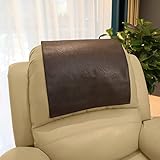
AmazeCov Non-Slip Headrest Cover for Recliner Sofa Theater Seat, Chocolate
Price Comparison
Leather recliners generally cost more than comparable fabric models. Genuine leather is more expensive to produce and upholster, and it is often offered as a premium upgrade.
Fabric is usually the more affordable choice, although premium performance fabrics can also be expensive.
When comparing prices, make sure the chairs have similar features. A basic manual fabric recliner and a power leather recliner with an adjustable headrest are not direct comparisons. Consider:
- Manual or power operation
- Power headrest and lumbar features
- Rocking, swiveling, or wall-reclining functions
- Chair size
- Cushion upgrades
- Warranty coverage
- Exact upholstery grade
Which offers better value?
Fabric usually provides better upfront value. Leather may provide better long-term value if you appreciate its appearance, maintain it properly, and plan to keep the chair for many years.
Durability and Expected Lifespan
The answer depends on the quality of the specific leather or fabric.
Leather durability
High-quality leather can be very durable. It does not usually pill like fabric, and small crumbs or pet hair are less likely to become trapped in the surface.
However, leather has its own vulnerabilities. It can:
- Scratch from pet claws
- Crack if it becomes excessively dry
- Fade in direct sunlight
- Absorb body oils over time
- Peel if the material is bonded or synthetic
- Become damaged by harsh household cleaners
Properly maintained genuine leather can age attractively. Lower-quality coated or bonded materials may deteriorate very differently and can peel rather than develop a natural patina.
Fabric durability
Fabric does not normally show scratches in the same way leather does, but woven material can snag, pill, fade, or become worn in high-contact areas.
The arms, headrest, and front of the seat usually experience the most wear. Tightly woven fabric tends to resist snagging better than loose or highly textured upholstery.
Performance fabric may be a strong option for homes where the chair will receive heavy daily use.
Which lasts longer?
High-quality genuine leather can outlast many standard fabrics when maintained correctly. However, a durable performance fabric may outlast low-grade bonded or synthetic leather.
Material quality matters more than the broad leather-versus-fabric label.
Cleaning and Everyday Maintenance
Cleaning a leather recliner
Leather is often easier to clean after a small surface spill because liquid may remain on top briefly instead of immediately soaking in. Blot spills promptly using a clean, absorbent cloth.
Routine care may include:
- Dusting with a soft cloth
- Vacuuming seams and crevices
- Blotting spills instead of rubbing
- Using only products appropriate for the specific leather finish
- Keeping the chair away from strong heat and direct sunlight
Avoid using an untested household cleaner, alcohol, bleach, furniture polish, or excessive water. The wrong product can remove the protective finish or cause discoloration.
You can compare products sold as leather recliner cleaner and conditioner, but always verify that a product is appropriate for your chair’s exact leather type before applying it.
Cleaning a fabric recliner
Fabric usually needs regular vacuuming because dust, crumbs, and pet hair can settle into the weave.
Before spot cleaning, find the upholstery cleaning code on the chair’s tag. Common codes include:
- W: Use a water-based upholstery cleaner
- S: Use an appropriate solvent-based cleaner
- W/S: Either approved water-based or solvent-based methods may be allowed
- X: Vacuuming or professional cleaning only
Never assume water is safe simply because the upholstery looks like ordinary fabric. Using the wrong cleaner may create rings, discoloration, shrinkage, or permanent texture changes.
Depending on the cleaning code, you may find an upholstery fabric cleaner for recliners useful for compatible materials.
For more specific cleaning instructions, read the site’s Lazyboy fabric and leather care guide. You should also review the official La-Z-Boy fabric and leather care instructions before applying any cleaner, conditioner, stain treatment, or other product to your recliner.
Stain and Spill Resistance
Leather and spills
Leather is generally easier to wipe after an immediate spill, but it is not stain-proof. Liquids can eventually penetrate seams, scratches, and unprotected areas. Oils, ink, denim dye, and body products may also discolor the surface.
Fast action still matters. Blot the spill gently rather than scrubbing it across the leather.
Fabric and spills
Standard fabric may absorb liquids quickly. Performance fabrics often provide better stain resistance, but they still need prompt cleaning.
Fabric can be harder to restore after deeply absorbed spills, especially if the liquid reaches the cushion foam beneath the upholstery.
Best choice for frequent spills
Leather or a stain-resistant performance fabric may be the better choice. A fitted waterproof recliner cover can provide additional protection for either upholstery type.
Leather vs Fabric for Homes With Pets
Neither option is completely pet-proof.
Leather with pets
Advantages include:
- Pet hair is usually easy to wipe or vacuum away
- Odors may be less likely to become trapped in the surface
- Muddy paw marks may be easier to clean promptly
Disadvantages include:
- Claws can leave visible scratches
- Punctures may be difficult to disguise
- Repeated scratching can damage the finish
Fabric with pets
Advantages include:
- Minor claw marks may be less visible on some textured fabrics
- The surface may provide better traction for pets jumping up or down
- Some performance fabrics are designed for demanding households
Disadvantages include:
- Hair can become embedded in the weave
- Claws may snag loose threads
- Odors and liquids can penetrate the material
Best choice for pet owners
For pets that shed heavily but do not scratch furniture, leather can be convenient. For pets with sharp claws, a tightly woven performance fabric may be less risky.
A pet recliner cover can help protect either material.
Leather vs Fabric for Families With Children
Leather is convenient when spills are cleaned immediately, and crumbs can normally be removed from the smooth surface easily. However, marker, pen, sharp toys, and rough play can cause difficult damage.
Fabric may be softer and more comfortable for family use, but ordinary upholstery can absorb juice, milk, food, and other messes.
For households with young children, consider:
- A dark or medium upholstery color
- A stain-resistant performance fabric
- A protected leather finish
- A removable recliner cover
- Clear rules about food, pens, and sharp toys
The safest choice may be the material you are realistically willing to clean and maintain.
Temperature and Climate
Leather reacts more noticeably to room temperature. It can feel cool during winter and warmer during hot weather, particularly if exposed to sunlight.
Fabric tends to remain more consistent and may feel more comfortable against bare skin in both hot and cold conditions. However, thick plush fabric may retain more warmth during long sitting sessions.
Best for a hot climate
A breathable fabric may feel more comfortable, especially if the room receives strong sunlight or is not consistently air-conditioned.
Best for a cold climate
Fabric usually feels warmer immediately. Leather can still work well in a temperature-controlled room or when paired with a throw blanket.
Allergies, Dust and Pet Dander
Leather’s smooth surface may be easier to wipe clean, making it appealing to people who want to reduce dust and pet hair buildup on the upholstery.
Fabric can trap more dust, pollen, pet dander, and crumbs within its fibers. Regular vacuuming with an upholstery attachment becomes especially important.
However, allergens can still accumulate in seams, beneath cushions, and inside the chair regardless of the upholstery type.
A handheld vacuum for furniture or a vacuum with an upholstery attachment can be useful for maintaining either chair.
Odor Resistance
Fabric can absorb household odors, smoke, pet smells, food, and body oils more readily than a smooth protected leather surface.
Leather may resist some odors better, but it can still absorb oils and odors over time. Incorrect cleaning products may also leave a noticeable chemical smell.
For a smoke-free home with routine cleaning, either material can remain fresh. In homes with pets, frequent eating in the recliner, or heavy daily use, leather may be easier to deodorize at the surface level.
Fading From Sunlight
Both leather and fabric can fade when exposed to direct sunlight.
Leather may dry, fade, or crack when left near a sunny window or heat source. Fabric may lose color unevenly, particularly on the side facing the window.
To reduce fading:
- Keep the recliner away from intense direct sunlight
- Use blinds or curtains during peak sunlight
- Rotate movable chairs occasionally if practical
- Avoid placing the recliner directly beside a radiator or heater
- Use an appropriate cover when the chair is not in use
Scratches, Pilling and Surface Wear
Leather surface wear
Genuine leather may develop creases and a patina as it ages. Some owners consider this attractive. Scratches can sometimes blend into the natural appearance, but deeper damage may require professional repair.
Synthetic or bonded leather may peel or flake, which is a different form of wear and generally harder to hide.
You can browse a leather furniture repair kit for minor damage, but color matching and surface preparation are important.
Fabric surface wear
Fabric may pill where repeated friction occurs, particularly on the seat, headrest, and arms. Loose weaves can also snag.
A fabric shaver for upholstery may help with surface pilling on compatible fabrics, but it should be tested carefully to avoid cutting or weakening the material.
Repairability
Leather scratches, small punctures, and minor color loss may sometimes be repaired using filler, dye, or a matching patch. Professional repair is often the best option for expensive leather upholstery.
Fabric tears may be stitched, patched, or repaired from beneath, but an exact color and pattern match can be difficult. Pilling and worn fibers cannot always be restored completely.
If the damage is large, reupholstery may be required regardless of the original material.
Does Leather Require More Maintenance?
Leather does not necessarily require more frequent maintenance, but it requires more specialized care.
Fabric normally needs regular vacuuming and occasional spot cleaning according to its care code. Leather needs gentle dust removal, immediate spill cleanup, protection from sunlight and heat, and only compatible cleaning products.
The wrong leather product can cause more serious damage than neglecting a small amount of dust. That is why it is important to identify the exact leather finish before cleaning or conditioning.
For a broader routine, see the site’s guide on how to clean a Lazyboy recliner.

ForceField® Fabric Cleaner Professional Strength, Deeply Penetrates Water Safe Fabric & Fibers of Upholstery, Clothing, Rugs & Carpeting - 22oz

CarGuys Interior Car Cleaner for Tough Stains | Stain Remover for Car Seats, Carpet, Upholstery, & Leather | 18 Oz Kit with Microfiber Towel

Carbona Oxy Powered Upholstery Cleaner with Brush & Sponge (13.5 Fl Oz), Stain Remover for Couches, Car Seats & Mattresses. Fast Formula, No Residue
Color and Customization Choices
Fabric is the clear winner for customization. It generally comes in more:
- Colors
- Patterns
- Textures
- Weave styles
- Design combinations
Leather normally has a smaller selection, but the available colors often complement traditional and modern interiors well.
Choose a color based on more than personal taste. Consider how it will show:
- Pet hair
- Dust
- Crumbs
- Denim dye
- Sun fading
- Surface scratches
Very dark and very light upholstery can both reveal certain types of dirt more easily than medium neutral shades.
Leather vs Fabric for a Power Recliner
The upholstery does not normally change how the motor operates, but it may affect the way the chair feels while moving.
Leather surfaces can create subtle rubbing or creaking noises as upholstered sections move against each other. Fabric is generally quieter where surfaces touch, although the mechanism itself can still make normal operating sounds.
Power recliners often receive more frequent position adjustments, so high-contact areas may experience repeated friction. Whichever material you choose, inspect seams and moving upholstery sections periodically.
Leather vs Fabric for a Manual Recliner
A manual recliner requires more body movement to open, recline, and close. Over time, this can increase friction on the seat, arms, and back.
Leather may show creasing where the body repeatedly bends the surface. Fabric may show pilling or flattening in those same areas.
Durable upholstery and correct chair sizing matter more than whether the material is leather or fabric.
Which Material Is Better for Heavy Daily Use?
For heavy daily use, choose based on material grade rather than category alone.
Good options may include:
- High-quality protected leather
- Durable top-grain leather
- Tightly woven performance fabric
- Commercial-grade or high-abrasion upholstery
Avoid assuming that every leather chair is more durable than every fabric chair. Low-quality bonded leather may deteriorate before a strong performance fabric.
Ask about the specific material, warranty, cleaning code, and recommended use before buying.
Which Material Is Better for Seniors?
Fabric may provide slightly more grip, which can help prevent sliding when sitting down or standing up. It also normally feels warmer and softer.
Leather is easier to wipe after spills and may be easier to keep free of dust and crumbs. However, a very smooth leather seat can feel slippery to some users.
For seniors, these factors may matter more than upholstery type:
- Seat height
- Seat firmness
- Arm support
- Ease of standing
- Power or lift functionality
- Correct chair size
Which Material Is Better for a Home Theater?
Leather is popular for home theaters because it creates a polished appearance and makes crumbs easier to remove. It also pairs well with powered seating and cupholder-equipped recliners.
Fabric can be more comfortable during long viewing sessions because it tends to feel less sticky and may absorb sound slightly better within the room.
Choose leather for the classic premium theater appearance. Choose fabric for soft, cozy, temperature-neutral comfort.
Should You Use a Recliner Cover?
A cover can help protect either upholstery type from:
- Pet hair
- Food spills
- Body oils
- Dust
- Daily friction
- Sunlight
However, choose a cover designed for reclining furniture. A poorly fitted cover may shift, bunch around the mechanism, block controls, or interfere with the footrest.
You can compare a non-slip recliner cover and check its size, control openings, and compatibility with manual or powered chairs.
Questions to Ask Before Choosing
Before deciding between leather and fabric, ask yourself:
- Will children or pets use the chair?
- How often will someone sit in it?
- Will food and drinks be allowed?
- Does the room receive direct sunlight?
- Do I prefer a soft or smooth surface?
- Do I want a formal or casual appearance?
- Am I willing to follow specialized leather-care instructions?
- Does anyone in the home have allergies?
- How long do I expect to keep the recliner?
- What exact leather or fabric grade am I considering?
Your answers will usually make the better option much clearer.
Who Should Choose a Leather Lazyboy Recliner?
Leather may be the better choice if:
- You prefer a premium, structured appearance
- You want pet hair and crumbs to be easier to remove
- You frequently deal with small surface spills
- You are willing to use appropriate leather-care products
- You want upholstery that can develop character with age
- You do not have pets likely to scratch the chair
- Your budget allows for the higher initial cost
Who Should Choose a Fabric Lazyboy Recliner?
Fabric may be the better choice if:
- You want a softer and warmer sitting surface
- You prefer a wider selection of colors and textures
- You want to spend less upfront
- You live in a hot or cold climate where leather temperature is a concern
- You prefer a casual, cozy appearance
- You want access to performance-fabric options
- You do not mind regular vacuuming
Frequently Asked Questions
Is a leather Lazyboy recliner more durable than fabric?
High-quality genuine leather can be extremely durable, but it is not always more durable than fabric. A strong performance fabric may outlast bonded or low-quality synthetic leather. Compare the exact upholstery grade rather than relying only on the material category.
Does leather crack over time?
Leather can crack if it dries out, receives excessive heat or sunlight, or is cleaned with inappropriate products. Correct placement and care can reduce the risk.
Does fabric upholstery pill?
Some fabrics can pill due to repeated friction. The amount of pilling depends on fiber type, weave, upholstery quality, clothing friction, and frequency of use.
Which material is easier to clean?
Leather is usually easier for quick surface wiping. Fabric may require more vacuuming and care-code-specific stain treatment. Neither material should be cleaned without checking the manufacturer’s instructions.
Which is better for dog hair?
Leather generally makes loose dog hair easier to wipe or vacuum away. Fabric may trap hair in its weave, especially if it is textured.
Which is better if my dog scratches furniture?
A tightly woven performance fabric may be safer than leather for a pet that scratches. Claws can leave permanent marks or punctures in leather.
Is leather too hot in summer?
Leather can feel warmer or stickier against bare skin, especially in direct sunlight or a non-air-conditioned room. Fabric tends to feel more temperature-neutral.
Is fabric better for cold weather?
Fabric usually feels warmer immediately when you sit down. Leather may feel cold at first but gradually warms from body heat.
Can I use ordinary household cleaner on leather?
No. General-purpose sprays, alcohol, bleach, furniture polish, and unapproved soap may damage the finish. Use only a product suitable for your specific leather type.
Can I steam-clean a fabric recliner?
Only if the upholstery manufacturer and cleaning code permit it. Excessive moisture or heat can discolor, shrink, or damage certain fabrics and the materials beneath them.
Do leather recliners have a stronger smell?
New genuine leather may have a noticeable natural scent. Synthetic materials may also release a temporary manufacturing odor. Proper ventilation usually helps, but persistent or unusual odors should be discussed with the retailer.
Can leather upholstery be repaired?
Small scratches, color loss, or minor punctures may be repairable, but achieving a convincing color and texture match can be difficult. Expensive leather is often best handled by a professional.
Can a fabric Lazyboy recliner be reupholstered?
Yes, but complete reupholstery can be labor-intensive and expensive. Compare the repair estimate with the cost and condition of the entire chair before proceeding.
Does leather increase resale value?
A genuine leather recliner in excellent condition may attract more interest than a comparable fabric chair, but model age, cleanliness, functionality, and visible wear also have a major effect on resale value.
Which is better for allergies?
Leather may be easier to wipe free of dust and pet dander. Fabric can trap more particles within its fibers and requires consistent vacuuming. Allergens can still collect in seams and beneath cushions on either chair.
Final Verdict: Lazyboy Leather or Fabric Recliner?
A Lazyboy leather recliner is usually the better choice for buyers who want a premium appearance, smooth upholstery, easier surface cleaning, and less trapped pet hair. It can last for many years when the material is high quality and maintained correctly. Its main disadvantages are the higher price, sensitivity to scratches, and tendency to feel warmer or cooler depending on the room.
A Lazyboy fabric recliner is usually the better choice for buyers who prioritize immediate softness, temperature-neutral comfort, broader color selection, and a lower initial cost. Its main disadvantages are that it may absorb spills, trap pet hair, pill, or require more frequent vacuuming.
For homes with children and spills, protected leather or performance fabric may be the most practical. For homes with scratching pets, tightly woven fabric may be safer. For a premium office or home theater, leather may provide the appearance you want. For a cozy family room or reading corner, fabric may feel more inviting.
Ultimately, the quality of the specific material matters more than the broad label. A well-made performance fabric may be a better investment than low-quality bonded leather, while premium genuine leather may outlast ordinary fabric by many years.
Before buying, test the exact chair, confirm the upholstery type, review its cleaning instructions, consider your household’s daily habits, and choose the material you will realistically maintain. That will give you a better result than choosing leather or fabric based on appearance alone.

ttmagic Metal Recliner Handle Replacement Parts with Cable, Universal Recliner Sofa Chair Couch Release Lever Pull Handle, Fits Ashley and Major Recliner Brands, Exposed Cable Length 4.9“
Baridwon Recliner Replacement Parts with Pull Handle and Release Cable (2-Sets), Repair Recliner Mechanism Parts Compatible with Most Furniture of Recliner Sofa Couch Chair
Baridwon 2 Set Recliner Replacement Parts, Durable Recliner Release Pull Handle with Recliner Pull Cable, Repair Replacement Parts Compatible with Most Furniture of Recliner Chair Sofa Couch
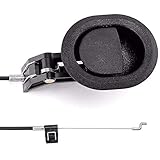
ttmagic Sofa Chair Recliner Release Pull Handle 3" by 3.5" Replacement Parts with Cable, Fits Ashley Lazy Boy and Most Recliner Brands Couch Sofa Chair Furniture, Exposed Cable Length 4.9"

Baridwon 2 Sets Recliner Replacement Parts - Metal Recliner Handle, Release Pull Cable Fits Ashley & Most Recliner Sofas, Exposed Cable Length 5.1 Inches